Tight budgets often push businesses toward cheap hi-vis vests. But this 'saving' can quickly lead to much bigger, hidden costs that hurt your bottom line and your team's safety.
Cheap hi-vis vests ultimately cost more because of frequent replacements due to poor durability, potential fines from non-compliance with standards like ANSI/ISEA 107, and lower employee productivity. Quality vests ensure compliance, last longer, and protect workers, making them a much smarter financial decision.
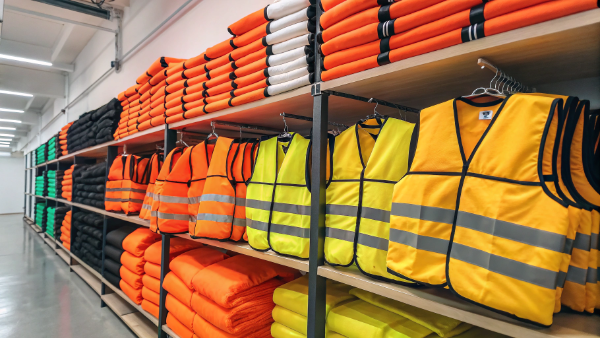
I've been in this business since 2007, and I've seen it all. A long-time client of mine, Danny Cheng, who runs a major PPE distribution company in California, once told me about a nightmare he had years ago, before we started working together. He bought a large batch of 'low-cost' vests from a supplier and lost nearly half a million dollars because the color was inconsistent and failed compliance checks. He couldn't sell a single one. This is the real, hidden price of "cheap". Let's break down why this is such a common trap.
Why is it important to wear high visibility clothing1 in certain workplaces?
You assume your workers are visible on site. But in low light or busy areas, they can easily blend into the background, creating huge risks. Protecting your team means ensuring they stand out.
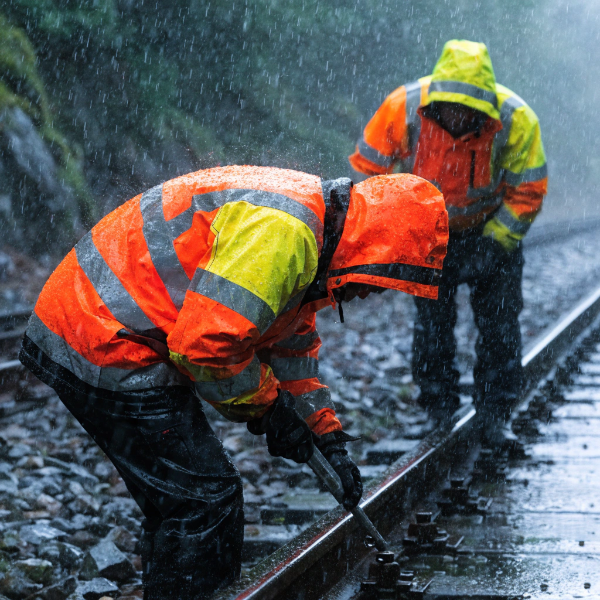
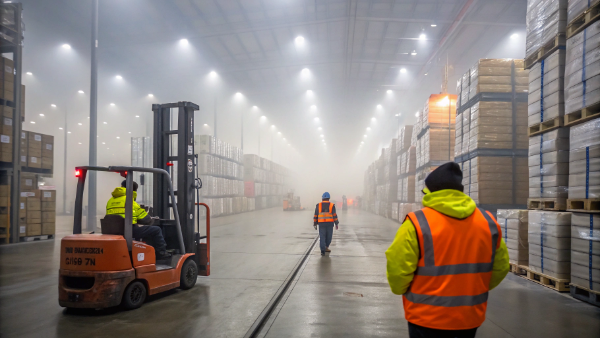
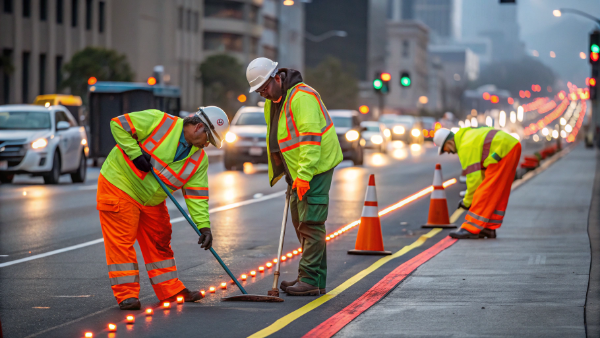
High visibility clothing is crucial in environments with moving vehicles or equipment, like construction sites, warehouses, and roadways. It makes workers easily seen, day or night, which significantly reduces the risk of accidents by enhancing their conspicuity2 to vehicle operators and colleagues.
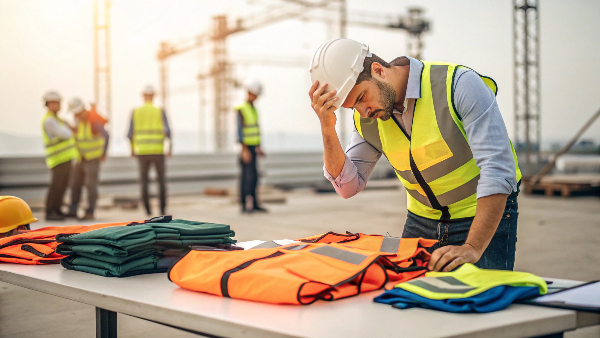
The core principle of high-visibility clothing is to create a strong contrast between the wearer and their work environment. This is not just about being "bright." It's a science. The human eye responds strongly to specific fluorescent colors during the day, which makes them appear to glow, especially at dawn and dusk. At night, retroreflective materials3 are essential. They reflect light directly back to its source, like a car's headlights, making the worker visible from a great distance. Without these specific materials, a worker can be nearly invisible. Imagine a road crew at dusk or a warehouse worker moving between stacked pallets. Their safety depends entirely on being seen instantly. This is why global standards like EN ISO 204714 and ANSI/ISEA 1075 exist—they mandate the specific amounts and performance of these materials to guarantee safety across different risk levels.
| Work Environment | Risk Level | Why Hi-Vis is Critical |
|---|---|---|
| Highway Construction | High | Workers are exposed to high-speed public traffic. |
| Warehouses & Loading Docks | Medium | Constant movement of forklifts and other vehicles. |
| Event Parking & Staff | Medium | Directing traffic in unpredictable, often crowded areas. |
| Factory Floors | Low to Medium | Interaction with moving machinery and plant vehicles. |
What are the OSHA rules6 for hi vis?
You might think any bright vest is enough to get by. But OSHA has specific rules, and a violation can lead to hefty fines and, more importantly, put your team in danger.
OSHA requires high-visibility apparel for workers exposed to vehicular traffic under 29 CFR 1926.651(d). It strongly recommends garments that comply with the ANSI/ISEA 107 standard, which defines specific classes of apparel based on the amount of reflective material and fluorescent fabric needed.
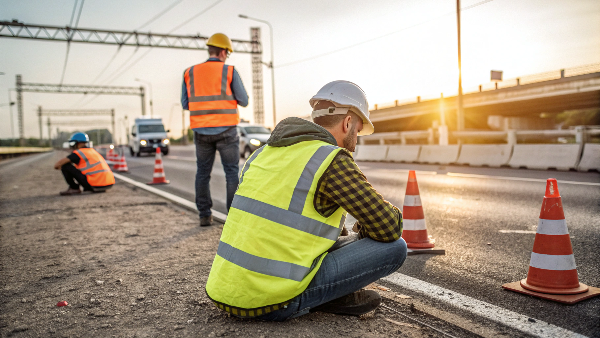
OSHA doesn't write its own standard for hi-vis clothing. Instead, it refers to the American National Standard Institute's standard, ANSI/ISEA 107. This is the rulebook for high-visibility safety apparel in the United States. Simply put, if you have workers near moving vehicles, you need gear that meets this standard. Cheap vests bought online often have no certification and provide a false sense of security. They may use non-fluorescent colors or weak reflective tape that washes out after a few cycles. An OSHA inspector will spot this immediately. The ANSI/ISEA 107 standard is detailed and categorizes garments into Types and Classes to match the work environment. Choosing the wrong class is just as bad as choosing a non-compliant vest. As a manufacturer, we ensure every Vissafety vest is rigorously tested to meet or exceed these standards, so our clients, like Danny, never have to worry about compliance.
| Class Type | Description | Common Work Environment |
|---|---|---|
| Type O, Class 1 | Lowest visibility requirement. | Warehouse workers, parking attendants. Far from traffic. |
| Type R, Class 2 | For roadways where speeds are over 25 mph. | Roadway construction workers, utility crews, survey crews. |
| Type R, Class 3 | Highest visibility for complex backgrounds. | Highway workers, flaggers, emergency responders. |
| Type P, Class 2/3 | For Public Safety (Police, Fire, EMS). | Similar to Type R, but with features for first responders. |
What are the benefits of a Hi Vis vest?
Many managers see hi-vis vests as just a required expense. But what if they offered real benefits beyond simple compliance? The right vest can actually boost your business and your team's performance.
The main benefit is preventing accidents. Beyond that, quality hi-vis vests improve worker morale7 by showing you value their safety. They can also be customized with logos, enhancing your company's professional image on the job site and turning your crew into brand ambassadors.
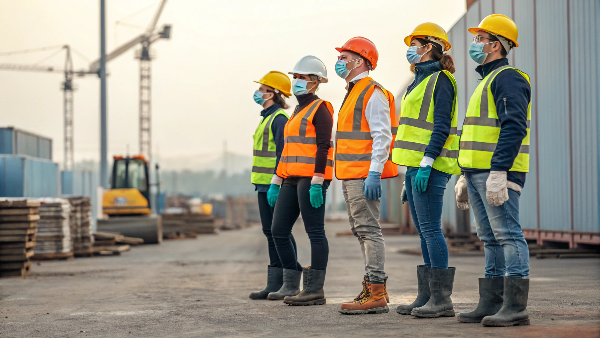
When you invest in quality instead of just chasing the lowest price, the return is immediate and multi-faceted. First, there's the direct financial benefit. A durable vest that withstands dozens of washes costs less over its lifetime than a cheap one you replace every few weeks. Second, there's the safety and morale aspect. Workers notice when you give them comfortable, well-made gear. It tells them you care about their well-being, which directly impacts their attitude and productivity. Uncomfortable or poorly fitting vests are a distraction and a nuisance. At Vissafety, we offer full customization8. We can add your company logo, use specific brand colors, and even include special features like pockets or ID holders. This transforms a piece of mandatory equipment into a professional uniform that builds your brand's reputation every day. It’s a small detail that makes a big difference.
| Feature | Cheap, Low-Quality Vest | Vissafety Quality Vest |
|---|---|---|
| Cost | Low initial price, high replacement cost. | Higher initial price, low lifetime cost. |
| Safety | May not meet ANSI/ISEA 107 standards. | Certified to meet ANSI/ISEA 107 and EN ISO 20471. |
| Durability | Fabric tears easily, reflective tape fades. | Tough fabrics, quality stitching, durable tape. |
| Comfort | Poor fit, non-breathable polyester material. | Breathable mesh, proper sizing, ergonomic design. |
| Branding | No customization, generic appearance. | Full customization with logos, colors, and features. |
| Worker Morale | Signals a "minimum effort" approach to safety. | Shows a commitment to worker safety and well-being. |
Do safety vests run big?
You place a bulk order for vests, but when they arrive, they don't fit your team. A bad fit is more than just uncomfortable; it's a serious snagging hazard9 on a busy worksite.
Yes, safety vests are often designed to be worn over other clothing, so they typically have a roomier fit than standard shirts or jackets. However, relying on a "one-size-fits-all" approach is a mistake. Always consult the manufacturer's specific size chart to ensure a proper, safe fit.
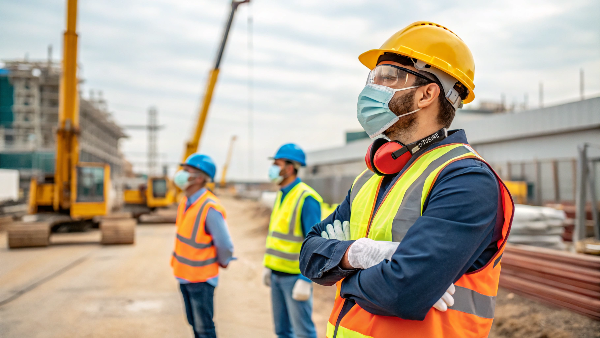
The fit of a safety vest is a critical safety feature. If a vest is too large, it can get caught on machinery, vehicle mirrors, or equipment, creating a dangerous snagging hazard. If it's too small, it can restrict movement, making a worker's job harder and more dangerous. It also may not provide the full "coverage" of fluorescent and reflective material required by standards. Cheap, mass-produced vests often come in a single, oversized style that fits almost no one correctly. This is one of the corners cut to lower the price. We learned early on that our clients need options. That's why we produce a full spectrum of sizes, from Small to 5XL and beyond. For large corporate orders, we can even create custom sizing to ensure every single person on your crew has a vest that is safe, comfortable, and professional. It’s a level of detail that prevents accidents and shows your team you care.
| Sizing Step | Action Required | Why It's Important |
|---|---|---|
| 1. Measure the Chest | Measure the widest part of the chest. | This is the most crucial measurement for a vest. |
| 2. Consider Layers | Think about what clothing will be worn underneath. | A vest worn over a winter jacket needs to be larger. |
| 3. Check the Length | Ensure the vest doesn't ride up or hang too low. | Proper length guarantees reflective stripes10 are positioned correctly. |
| 4. Consult the Chart | Always use the manufacturer's specific size chart. | Sizing is not universal between different brands. |
Conclusion
In short, choosing quality hi-vis vests is a strategic investment11 in safety, compliance, and your brand's reputation, ultimately saving you money and protecting your most valuable asset: your people.
-
Find out why high visibility clothing is essential for worker safety in various environments. ↩
-
Learn about conspicuity and its role in preventing workplace accidents. ↩
-
Understand how retroreflective materials enhance visibility and safety at night. ↩
-
Explore the EN ISO 20471 standard to ensure your safety apparel meets international safety requirements. ↩
-
Explore the ANSI/ISEA 107 standard to ensure your safety gear meets compliance requirements. ↩
-
Get informed about OSHA regulations to avoid fines and ensure worker safety. ↩
-
Discover how investing in quality safety gear can boost worker morale and productivity. ↩
-
Explore the advantages of customizing safety vests for branding and employee satisfaction. ↩
-
Learn about snagging hazards and how to prevent them with proper safety gear. ↩
-
Discover the importance of reflective stripes in enhancing visibility and safety. ↩
-
Learn how investing in quality safety gear can save money and protect your workforce. ↩