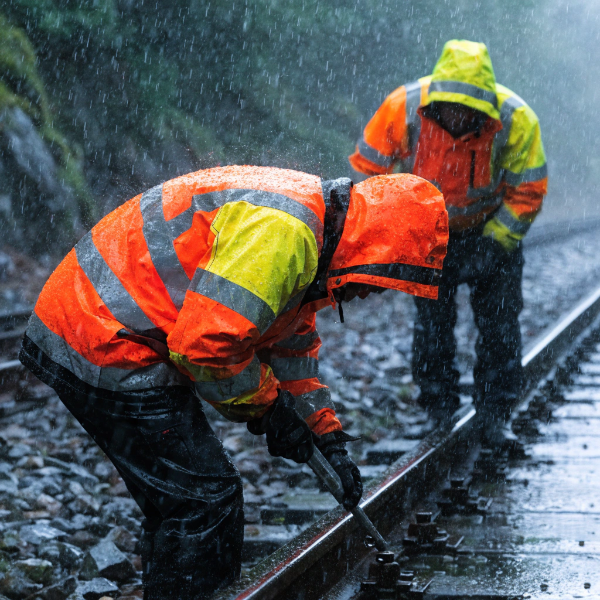
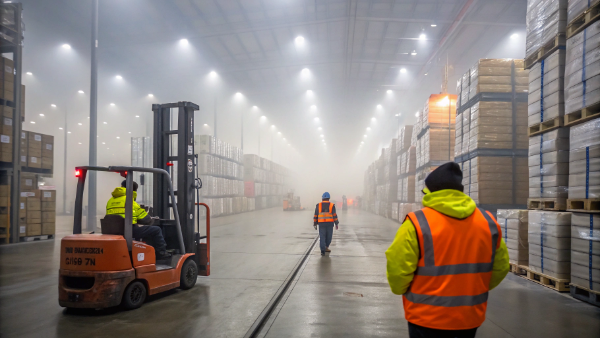
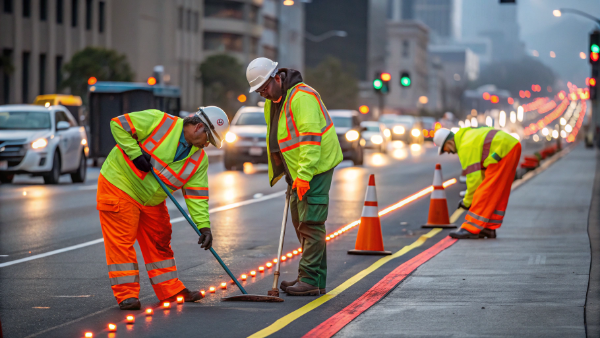
Is your team's safety gear still effective? Worn-out high-visibility clothing puts workers at risk. It feels like a small issue until an accident happens because someone wasn't seen.
You should replace high-visibility clothing when it is faded, torn, soiled, or when the reflective tape is cracked or lost its brightness. A key test is if the garment is no longer visible from 1,000 feet (about 305 meters) at night.
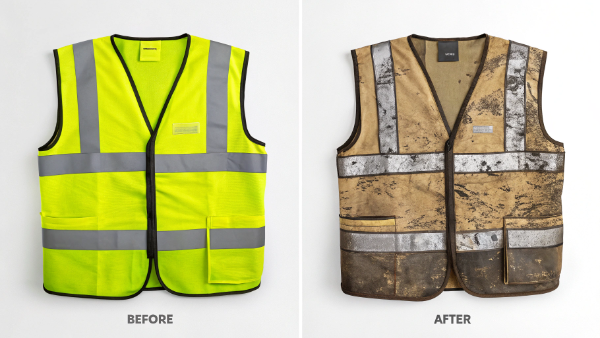
It’s easy to overlook a faded vest or a dirty jacket. We see them every day, and they seem "good enough." But "good enough" is a dangerous gamble when lives are on the line. The gradual decline in a garment's visibility is hard to notice day-to-day. This slow fade is a silent risk. Over my years in this industry, I've learned that proactive replacement isn't just a best practice; it's a critical safety measure. Understanding the exact signs of wear and the standards that govern them is the best way to protect your team. We need to move from guessing to knowing.
When should high-visibility clothing be replaced?
Worried your hi-vis gear is past its prime? Faded colors and worn-out tape mean workers blend into the background. This puts them in serious danger of not being seen by drivers.
Replace high-visibility clothing1//arxiv.org/html/2503.14801v1)2 clothing immediately when you see clear signs of wear. This includes faded3 fluorescent fabric, cracked or peeling reflective stripes, and permanent dirt or stains. These flaws seriously reduce the garment's ability to keep workers visible and safe from accidents.
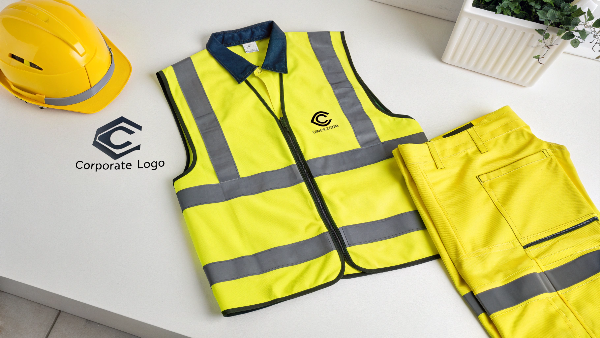
The visual cues for replacement are quite clear once you know what to look for. It's not about a fixed date on a calendar but about the physical condition of the garment. Daily wear and tear4, exposure to sunlight, and improper washing all contribute to degradation. A simple but effective method is the comparison test. Take a worn garment and hold it next to a brand-new one. The difference in color vibrancy and reflectivity5 will often be shocking. As a manufacturer, we stress that the materials are designed to be eye-catching, but they have a finite lifespan. Once that brightness is gone, the protection is gone too. Regular inspection should be part of every safety program6.
Here are the key warning signs:
| Warning Sign | Description | Action Required |
|---|---|---|
| Faded Fabric | The fluorescent color (like lime or orange) looks dull and washed out. | Compare to a new garment. If significantly faded, replace immediately. |
| Damaged Reflective Tape | Stripes are cracked, peeling, or have gaps. They don't shine brightly under light. | Test with a flashlight in a dark room. If reflectivity is poor, replace. |
| Permanent Stains | The garment is covered in grease, dirt, or other materials that cannot be washed out. | Stains block both fluorescent and reflective materials. Replace the item. |
| Physical Damage | The clothing has rips, tears, or holes. | Damaged gear is unprofessional and can be a safety hazard. Replace it. |
How often should workwear be replaced?
Does your company have a clear replacement schedule7 for workwear? Without one, employees might wear unsafe gear for too long. This creates a huge liability if an accident occurs.
There is no single rule for how often to replace workwear. It depends entirely on the work environment, how often it's worn, and how it's cared for. A construction worker might need new gear every 6 months, while an event marshall might use theirs for over a year.
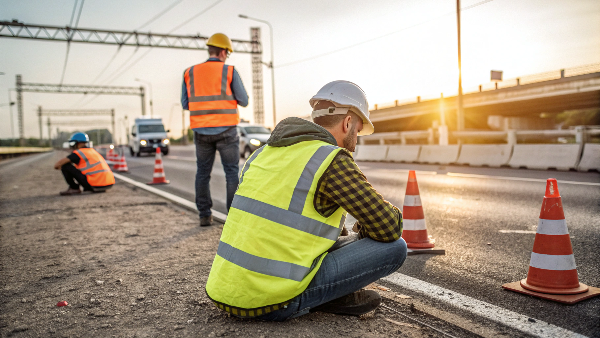
The lifespan of a high-visibility garment is determined by its use. Think about the difference between a road crew worker exposed to sun, dirt, and rain every day versus a warehouse manager who only wears a vest during site visits. The road worker's vest will degrade much faster. Sunlight (UV radiation) is a primary cause of fading in fluorescent materials. Dirt and grime can mask the bright colors and diminish the reflective tape8's power. Even washing the garment incorrectly, like using harsh detergents or high heat, can damage the materials and shorten its life. That’s why at Vissafety, we provide clear washing instructions with every piece. A good rule is to inspect gear regularly and replace it based on condition, not just time.
Here’s a general guide based on work environment:
| Work Environment | Estimated Replacement Frequency | Key Factors Affecting Wear |
|---|---|---|
| Heavy Construction / Road Work | 3-6 months | High UV exposure, heavy soiling, abrasive conditions. |
| Logistics / Warehouse | 6-12 months | Moderate indoor/outdoor use, some soiling. |
| Emergency Services | 6-12 months | Frequent use, must maintain highest level of performance. |
| Event Staff / Parking Attendants | 12+ months | Occasional use, low wear and tear, mostly clean environments. |
When should high-visibility clothing be worn?
Are your workers wearing hi-vis gear9 only when it feels necessary? This inconsistent approach is risky. An accident can happen in seconds in conditions where visibility is poor.
High-visibility clothing must be worn whenever a worker is exposed to risks from moving vehicles or equipment. This includes low-light conditions10 (dawn, dusk, night), bad weather (rain, fog, snow), and any area where vehicles and people mix, like construction sites11 and roadways.
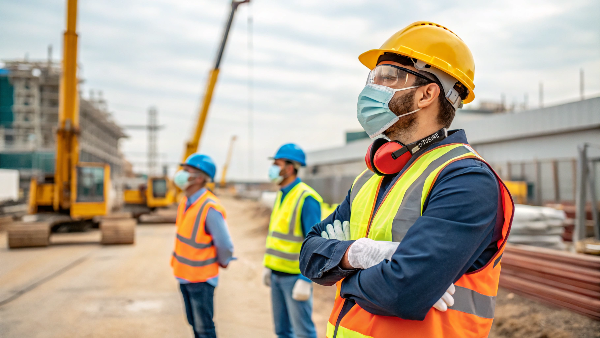
The core principle is simple: see and be seen. High-visibility clothing is personal protective equipment (PPE) designed for one specific job—making the wearer stand out from their background. This is most critical when the background is visually "busy" or during low-light hours when the human eye struggles to detect shapes and colors. For example, a worker near a busy highway needs to be conspicuous to drivers traveling at high speeds. Similarly, a crane operator needs to clearly see the ground crew below them. It's not just about roadways. Warehouses with forklift traffic, airports with ground vehicles, and any site with heavy machinery present the same risks. As a manufacturer, we produce garments for different risk levels, ensuring there is a compliant solution for every scenario.
| Scenario | Risk Level | Why Hi-Vis is Needed |
|---|---|---|
| Working near a highway | High | High-speed traffic, short driver reaction times. |
| Construction Sites | High | Moving equipment, complex backgrounds, changing light. |
| Nighttime Road Repairs | Very High | Darkness severely limits visibility for both workers and drivers. |
| Warehouse Operations | Medium | Forklifts and other vehicles create constant collision risks. |
| Event Parking | Medium | Directing traffic in potentially chaotic or low-light environments. |
| Rain, Fog, or Snow | High | Poor weather conditions dramatically reduce visibility for everyone. |
What are the OSHA requirements12 for high-visibility clothing?
Feeling uncertain about OSHA's rules on hi-vis clothing? This confusion can lead to non-compliance and put your workers at risk. Fines for violations can be steep and damaging.
OSHA requires high-visibility clothing for workers exposed to vehicle hazards, as stated in standards like 29 CFR 1926.651. It recognizes the ANSI/ISEA 107 standard as the benchmark for compliance, mandating gear that is appropriate for the work environment and risk level.
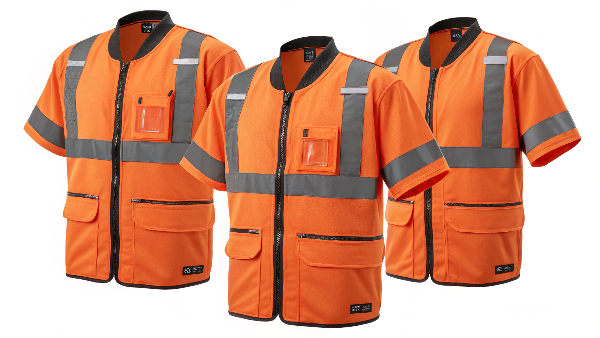
OSHA's rules are built around protecting workers from recognized hazards. For anyone working near moving vehicles, being struck is a major hazard. While OSHA doesn't have a single, all-encompassing rule that says "you must wear this vest," it does have specific requirements in its construction and general industry standards. The key is the "General Duty Clause," which requires employers to provide a workplace free from recognized hazards. OSHA points to the ANSI/ISEA 107 standard as the accepted industry consensus on how to address visibility hazards13. Complying with ANSI 107 is considered the best way to comply with OSHA's expectations. We design all our Vissafety products to meet or exceed these standards, so our clients know they are providing compliant and effective protection.
| OSHA Reference | Requirement Summary | Who It Applies To |
|---|---|---|
| 29 CFR 1926.201(f) | Flaggers must wear warning garments (e.g., vests) and be visible for at least 1,000 feet. | Signal persons and flaggers in construction zones. |
| 29 CFR 1926.651(d) | Workers exposed to vehicular traffic must be provided with and wear high-visibility garments. | Workers in and around excavation sites. |
| General Duty Clause | Employers must protect workers from recognized struck-by hazards from vehicles. | All workers exposed to traffic or moving equipment. |
| MUTCD Standard | All workers exposed to traffic must wear ANSI 107 Class 2 or 3 apparel. | Workers on federal-aid highways. |
What is the British standard14 for high visibility clothing?
Are you selling or working in the UK or EU and confused by the standards? Using non-compliant gear is a serious safety and legal misstep. It could invalidate insurance and lead to fines.
The British and European standard for high-visibility clothing is EN ISO 20471. This standard specifies the requirements for color, reflectivity5, and the minimum areas of visible materials to classify garments into one of three classes. Class 3 provides the highest level of visibility.
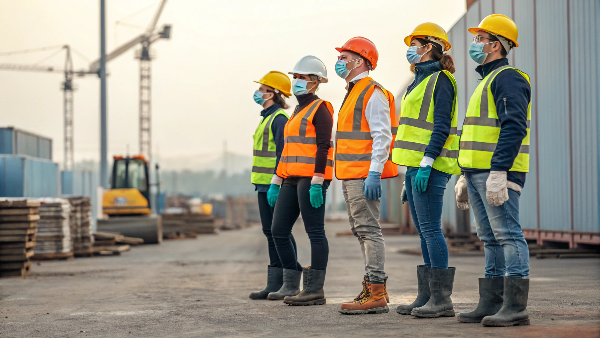
EN ISO 20471 is the globally recognized benchmark for hi-vis clothing, and it's the law for gear used in the UK and across Europe. It's a performance-based standard, meaning it’s not just about making a garment bright; it’s about proving its effectiveness. The standard is broken down into three main components: the fluorescent material (the background), the retro-reflective material (the tape), and the placement of those materials on the garment. Garments are tested for color fastness and reflective performance even after multiple washes. As a certified manufacturer, we have an in-house lab with over 75 devices to test our products against every requirement of EN ISO 20471. This ensures our clients receive gear that is fully compliant and reliable.
| Feature | Class 1 | Class 2 | Class 3 |
|---|---|---|---|
| Use Case | Low risk. For off-road use, like parking lots. | Medium risk. For work near slower traffic (e.g., < 40 mph). | High risk. For work near fast traffic (e.g., > 40 mph). |
| Min. Background Material | 0.14 m² | 0.50 m² | 0.80 m² |
| Min. Reflective Material | 0.10 m² | 0.13 m² | 0.20 m² |
| Description | Minimum protection. Example: Trousers worn alone. | Intermediate protection. Example: A standard safety vest. | Highest protection. Example: A jacket with full-length sleeves. |
What is the ANSI standard for high-visibility clothing?
Struggling to navigate the ANSI/ISEA 107 standard? Choosing the wrong Type or Class can leave your team unprotected and your company non-compliant, especially in the North American market.
The American standard is ANSI/ISEA 107. It defines garment Types based on the work environment (O, R, or P) and Performance Classes (1, 2, or 3) based on the amount of visible material. For roadway workers, Type R, Class 2 or 3 is typically required.
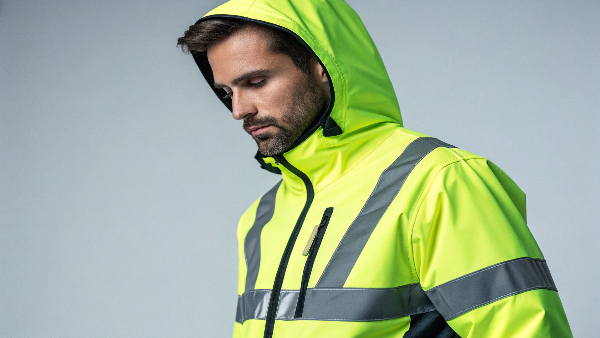
The ANSI/ISEA 107 standard is the definitive guide for high-visibility safety apparel15 in the United States. A key update in recent years was the introduction of "Types." This helps users select the right gear for their specific environment. Type O is for off-road workers (like warehouse staff), Type R is for roadway workers, and Type P is for public safety (like police and firefighters). Within each Type, there are Performance Classes. Class 1 offers minimal visibility and is not suitable for roadway use. Class 2 is the most common requirement for workers near traffic. Class 3 offers the highest level of visibility for workers in complex, high-risk environments. We work closely with clients like Danny Cheng from California to ensure the products we develop meet the exact ANSI/ISEA 107 requirements for his market.
| Garment Type | Description |
|---|---|
| Type O | Off-Road: For workers not exposed to roadway traffic. Example: Warehouse workers. |
| Type R | Roadway: For workers exposed to traffic. Example: Road construction crews. |
| Type P | Public Safety: For emergency responders. Provides additional options for functionality. |
| Performance Class | Description |
|---|---|
| Class 1 (Type O only) | Minimum amount of visible material. |
| Class 2 (Type R & P) | The standard for most roadway workers. |
| Class 3 (Type R & P) | Highest visibility, required for high-risk environments. |
What is the ISO standard for high visibility clothing?
Are you sourcing hi-vis gear for a global team? Managing different regional standards can be a complex headache. You need a single, reliable standard to ensure compliance everywhere.
The main international standard is ISO 20471. It has been adopted by many regions, including Europe (as EN ISO 20471). It classifies garments into three classes based on the minimum areas of fluorescent and reflective materials, ensuring different levels of conspicuity for different risk levels.
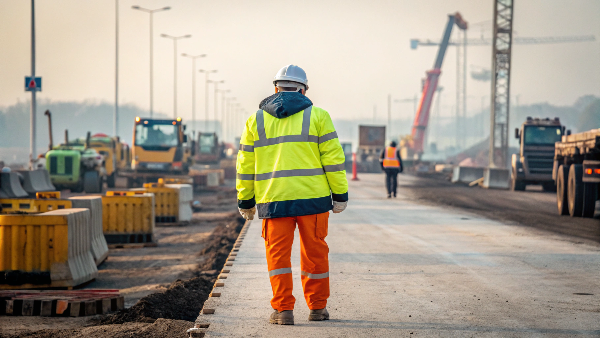
ISO 20471 is the cornerstone of global high-visibility standards. It was developed to create a universal benchmark for performance, making it easier for multinational companies to source compliant gear. The standard is focused entirely on a garment's ability to signal the user's presence visually. It doesn't just specify colors; it specifies the exact chromaticity and luminance of the fluorescent material to ensure it stands out in daylight. It also details the performance of the retroreflective tape for nighttime visibility. As a global manufacturer, our entire production process is aligned with ISO 20471. Our ISO, OEKO-TEX, and BSCI certifications demonstrate our commitment to meeting this global quality and safety benchmark. This makes Vissafety a reliable partner for businesses operating worldwide.
| ISO 20471 Class | Level of Visibility | Typical Use Environment | Garment Example |
|---|---|---|---|
| Class 1 | Lowest | Off-road, low-risk areas with slow-moving vehicles. | Hi-vis trousers. |
| Class 2 | Intermediate | Work near roadways with moderate traffic speeds. | Standard hi-vis vest. |
| Class 3 | Highest | High-risk work near fast-moving traffic or in complex backgrounds. | Long-sleeved hi-vis jacket and trousers combination. |
Conclusion
Ultimately, protecting your team comes down to two simple actions: regular inspection and understanding the rules. Don't rely on a calendar date. Look at the gear itself. Faded fabric, cracked reflective tape, and heavy soiling mean a garment no longer performs its function. This isn't just about looking unprofessional; it means the gear is no longer compliant with critical safety standards like ANSI/ISEA 107 and EN ISO 20471. A worn-out vest is a failed piece of safety equipment. Partnering with a manufacturer who guarantees compliance and provides durable products isn't a cost—it's an investment in your people's safety and your company's reputation.
-
Explore best practices to ensure your high-visibility clothing remains effective and compliant. ↩
-
Learn strategies to enhance visibility in hazardous environments for better safety. ↩
-
Learn how to identify faded clothing to keep your team safe and visible. ↩
-
Find out how wear and tear can compromise safety gear and when to replace it. ↩
-
Understand factors that influence reflectivity to maintain effective safety gear. ↩ ↩
-
Explore key components of a safety program to protect your workforce effectively. ↩
-
Learn how to create an effective replacement schedule for workwear to ensure safety. ↩
-
Understand the standards for reflective tape to ensure maximum visibility and safety. ↩
-
Find out the critical times when wearing hi-vis gear is essential for safety. ↩
-
Learn how low-light conditions impact worker safety and visibility. ↩
-
Explore safety measures specific to construction sites to enhance worker protection. ↩
-
Explore OSHA requirements to ensure compliance and protect your workforce. ↩
-
Identify visibility hazards to better protect your workers from accidents. ↩
-
Learn about the British standard to ensure compliance and safety in the UK. ↩
-
Discover the best safety apparel options for high-risk jobs to ensure worker safety. ↩