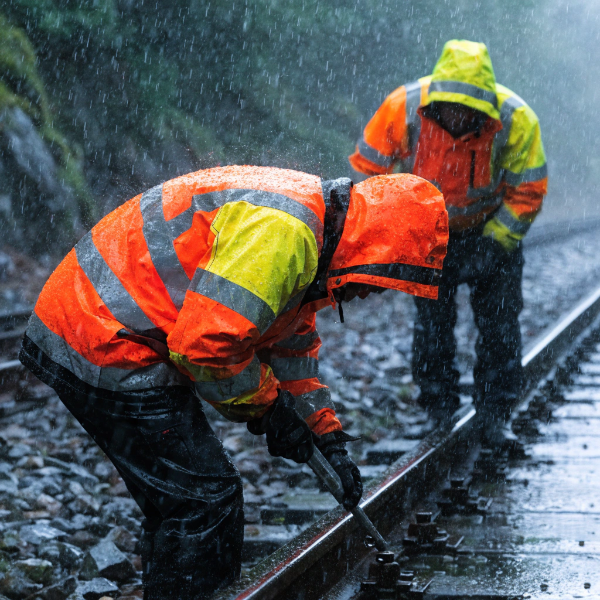
Worried your road crew isn't visible enough? The risk of accidents in traffic is always present. The right gear is the only way to ensure their safety.
Essential gear includes ANSI Class 3 garments like vests, jackets, and pants in fluorescent colors with retroreflective tape. Supplemental items like LED lights, hard hats, and safety glasses are also crucial for ensuring worker conspicuity and meeting standards like the ANSI/ISEA 107.
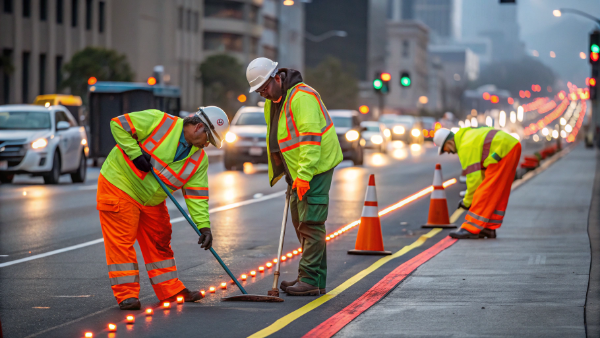
Choosing the right equipment is more than just buying a bright vest. It's about understanding the specific rules, classes, and standards that protect your workers and your business. Let's break down exactly what you need to know to keep your crew safe.
What does OSHA require for high-visibility gear and other PPE?
Feeling lost in OSHA regulations1? Non-compliance can lead to hefty fines and unsafe work sites. Understanding the rules for PPE and high-visibility gear2 is absolutely essential.
OSHA's standard 29 CFR 1926.651(d) mandates that workers exposed to vehicle traffic wear high-visibility garments. Other personal protective equipment (PPE)3 like hard hats4, eye protection, and safety-toe footwear5 are also required based on the specific job site hazards present.
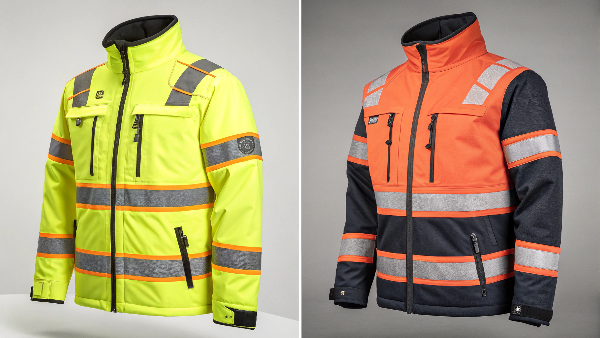
OSHA is clear: workers near traffic need to be seen. But the regulation itself doesn't list a specific clothing class. Instead, OSHA refers to the Federal Highway Administration's Manual on Uniform Traffic Control Devices (MUTCD). The MUTCD states that workers on federal-aid highways need apparel that meets the ANSI/ISEA 107 standard.
Common PPE on Construction Sites
OSHA mandates different types of PPE based on the dangers of a job. Here are some of the most common requirements for construction:
| PPE Type | Purpose | When Required |
|---|---|---|
| Hard Hats | Protect from falling objects | On almost all construction sites |
| Safety Glasses | Protect eyes from debris/dust | During cutting, grinding, or windy conditions |
| Hi-Vis Clothing | Make workers conspicuous | When exposed to vehicle or equipment traffic |
| Safety-Toe Boots | Protect feet from impact/compression | Where heavy objects or machinery are present |
| Gloves | Protect hands from cuts, chemicals | When handling sharp materials or chemicals |
A quick note: some people ask about the "20/20/20 rule". This rule is for office ergonomics to prevent eye strain from screens, not for construction site safety6. It's a common point of confusion. We focus on providing gear that meets the real, on-the-ground regulations for work zones.
What standards must high-visibility clothing7 comply with?
Worried your gear isn't actually compliant? It’s a waste of money and a serious safety risk. You need apparel that meets verified standards to guarantee true protection.
The primary standard for high-visibility safety apparel (HVSA) in the United States is ANSI/ISEA 107. This standard specifies requirements for the garment’s background color, the amount of retroreflective material, and overall design to ensure workers are seen clearly day and night.
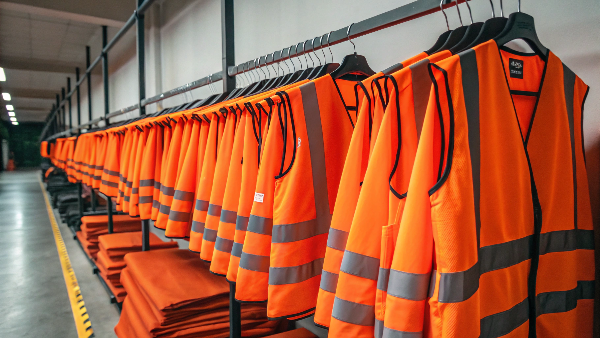
The ANSI/ISEA 1078 standard is the backbone of worker safety for visibility. It’s what separates a true piece of safety equipment from just a brightly colored shirt. For over a decade, we've worked with clients like Danny Cheng from California who can't afford any mistakes. A single batch of non-compliant gear could mean a huge loss and, more importantly, put lives at risk. That's why we built our own in-house lab with over 75 testing devices to ensure every garment we ship meets these exact requirements.
Key Components of ANSI/ISEA 107
The standard focuses on three things:
- Fluorescent Background Material: This makes you visible in daylight. The colors are restricted to fluorescent yellow-green, fluorescent orange-red, and fluorescent red.
- Retroreflective Material: This material reflects light back to its source, like car headlights. It's what makes you visible at night.
- Combined Performance and Design: The standard dictates the minimum area of each material required and where it must be placed on the garment for 360-degree visibility.
The goal is simple: a driver should be able to see a person, recognize them as a person, and have enough time to react. Our commitment to meeting this standard in every piece is why long-term partners trust us.
Which garment class is required for road construction?
Unsure which class of vest to choose? Picking the wrong one puts workers at risk in high-speed traffic. Let’s make sure you get the right level of protection.
For road construction crews exposed to traffic moving faster than 50 mph or working in bad weather, ANSI Class 3 apparel is required. This class provides the highest level of visibility with more fluorescent and reflective material covering the torso and arms.
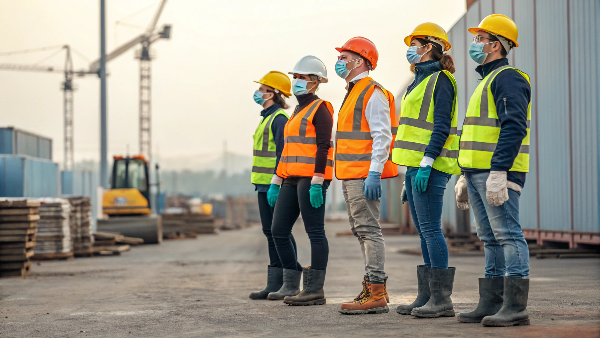
The ANSI/ISEA 107 standard is broken down into different "Types" and "Classes" to match the gear to the work environment. It's crucial to get this right.
Breakdown of HVSA Types and Classes
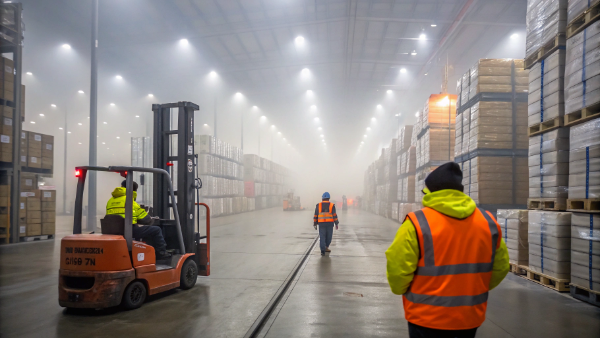
- Type O: Off-Road. For workers not exposed to traffic, like in a warehouse. This is for Class 1 garments only.
- Type R: Roadway. For workers exposed to roadway traffic. This applies to Class 2 and Class 3.
- Type P: Public Safety. For emergency and public safety personnel, with features for easy access to equipment. This applies to Class 2 and Class 3.
For road construction, you are almost always in the Type R category. Here's how the classes differ:
| Garment Class | Intended Environment | Garment Requirements |
|---|---|---|
| Class 1 | Low-speed areas (under 25 mph), away from traffic | Minimum amount of hi-vis material. Vests only. |
| Class 2 | Roadways with speeds 25-50 mph. Poor weather. | More background and reflective material than Class 1. |
| Class 3 | High-speed roads (>50 mph), high-risk areas, low visibility. | Most hi-vis material, including on sleeves for full body outline. |
You might also see Class E, which applies to items like hi-vis pants or gaiters. Wearing Class E pants combined with a Class 2 vest9 elevates the total outfit to a Class 3 rating. Someone might ask about "Class 3 Level 2". This simply means a Class 3 garment that uses Level 2 retroreflective tape10, which is the standard tape used for roadway applications.
When exactly should workers wear high-visibility clothing?
Unsure about when hi-vis is mandatory? This uncertainty can create dangerous situations and compliance issues. Clear rules are needed to protect everyone on the job site.
Workers must wear high-visibility clothing anytime they are exposed to moving vehicles or equipment. This includes roadwork, directing traffic, or working near machinery. It is especially critical during nighttime, dawn, dusk, and in poor weather like rain or fog.
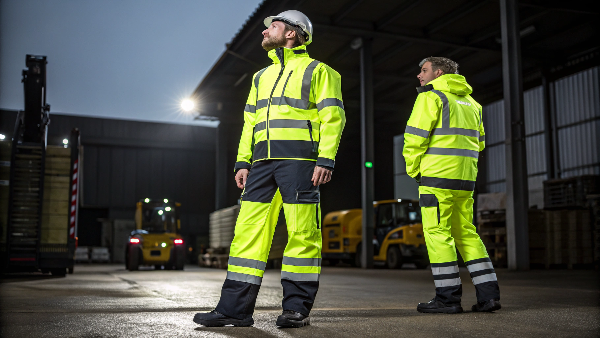
The simple answer is: if there's a risk of not being seen by someone operating a vehicle or heavy equipment, wear it. There are no exceptions. We work with clients who have crews running 24/7. Their safety can't depend on the time of day. The gear must perform in bright sun, pouring rain, and complete darkness.
When to Wear Hi-Vis Checklist
A worker's visibility is not optional. Here are common scenarios where HVSA is required:
-
During Daytime:
- Working on or near any active roadway.
- Directing traffic (flagging operations).
- Operating heavy machinery with other ground workers nearby.
- Surveying land near traffic flow.
-
During Low-Light Conditions (Dawn, Dusk, Night):
- All daytime scenarios become even more critical.
- The retroreflective tape on ANSI-compliant gear is designed specifically for these situations. It catches headlights and makes the worker's shape visible from a long distance.
-
In Poor Weather:
- Fog, rain, and snow severely reduce a driver's visibility.
- Fluorescent materials help a worker stand out against a gray, dreary background, while waterproof gear keeps them functional.
For a business to succeed, its people must be safe. Providing the right gear for all conditions is not just a rule; it's the foundation of a strong safety culture11. We make sure our clients have a reliable supply of gear for any season or time of day.
Conclusion
In short, outfitting your road crew with compliant ANSI Class 3 gear is essential for safety. We provide certified, reliable apparel to keep your team visible and protected.
-
Understanding OSHA regulations is crucial for compliance and safety; explore this link for detailed insights. ↩
-
Learn about high-visibility gear and its significance in preventing accidents and ensuring safety on job sites. ↩
-
Dive into the world of PPE to learn about its various types and their importance in workplace safety. ↩
-
Learn about the safety standards for hard hats to ensure maximum protection for workers on site. ↩
-
Discover the necessity of safety-toe footwear in protecting workers' feet from heavy objects and hazards. ↩
-
Learn about best practices for construction site safety to protect workers and comply with regulations. ↩
-
Find out the essential requirements for high-visibility clothing to ensure compliance and safety on the job. ↩
-
Explore the ANSI/ISEA 107 standard to ensure your safety gear meets the necessary visibility requirements. ↩
-
Learn about Class 2 vests and their requirements to ensure safety in moderate traffic conditions. ↩
-
Discover how retroreflective tape works to improve visibility and safety for workers in low-light conditions. ↩
-
Discover strategies to develop a strong safety culture in the workplace, ensuring worker safety and compliance. ↩