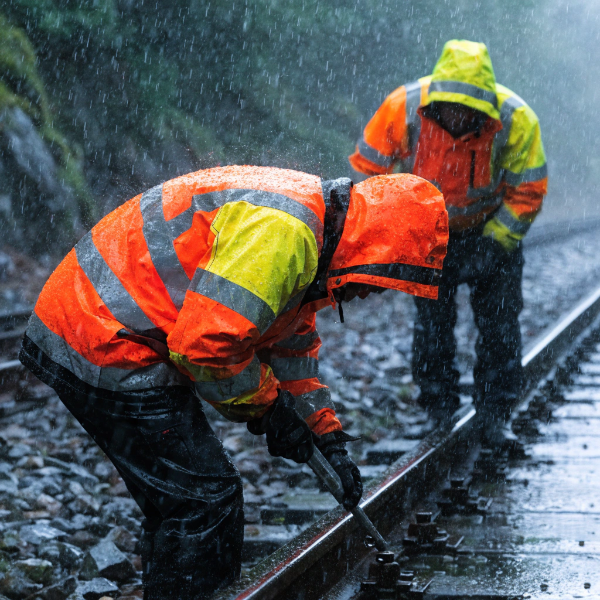
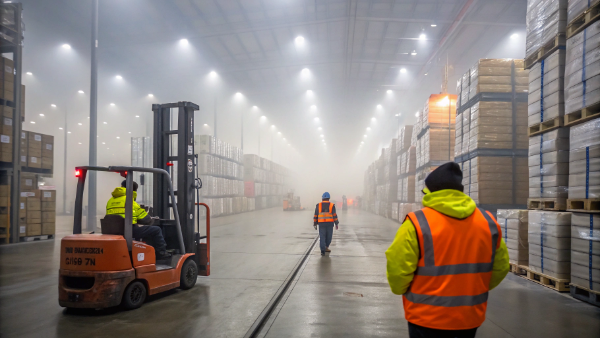
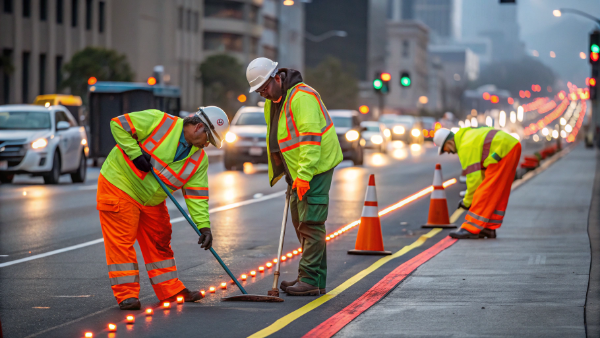
Sourcing reliable hi-vis gear is tough. Bad suppliers mean delays and quality issues. Partnering with the right manufacturer ensures your team's safety and protects your bottom line.
Before ordering, ask suppliers about safety standard compliance, MOQs, and lead times. Also, clarify their quality control, volume pricing, payment and delivery terms, and their capacity for reorders. This ensures a smooth and reliable partnership for your brand.

These questions are just the starting point. Getting the right answers is key to avoiding costly mistakes. I've been in this business for over a decade, and I've seen how a good supplier relationship can make or break a company. Let's break down what you need to look for in a great supplier, so you can order with confidence.
What questions should I ask a clothing manufacturer?
You found a potential manufacturer. But how do you know if they're reliable? Choosing wrong can lead to costly mistakes and production delays1 that hurt your business reputation.
Ask about their factory certifications (like ISO, BSCI), quality control process2, customization capabilities, and supply chain stability3. A transparent partner will provide detailed answers, proving their reliability and helping you make an informed decision for your business.
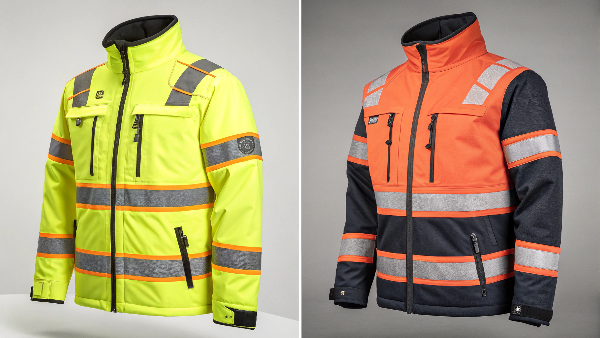
Over the years, I've worked with hundreds of buyers, from large distributors to growing brands. They all start with similar concerns. A client of mine, Danny from California, always says that vetting a supplier is the most critical step. He relies on a checklist to ensure there are no surprises. Based on that experience, I’ve refined the essential questions into a clear framework. A good supplier won’t just answer these questions; they will provide proof. For example, when we talk about quality control, we don't just say we have it. We show clients our triple-inspection reports and our ISO 9001 certification. This level of transparency builds trust.
Your Essential Supplier Checklist
| Question | Why It's Important | What a Good Answer Looks Like |
|---|---|---|
| 1. Are your products compliant with safety standards (e.g., ANSI/ISEA 107, EN ISO 20471)? | Ensures worker safety4 and protects your business from legal liability5. Non-compliant gear is a huge risk. | "Yes, we are certified. Here are our certificates and test reports from our in-house lab for the specific products you need." |
| 2. What is your Minimum Order Quantity (MOQ)6 and production lead time? | Helps you manage inventory and cash flow. Unclear terms can lead to excess stock or long waits. | "Our MOQ is X units per style. Standard lead time is 30-60 days from sample approval. We can discuss flexibility for long-term partners." |
| 3. Can you describe your quality control (QC) process? | Guarantees product consistency and reduces defects. A single bad batch can ruin your reputation. | "We perform triple inspections7: pre-production materials, in-process assembly, and a final check on every batch. We provide QC reports." |
| 4. What are your customization options8 and capabilities? | Allows you to differentiate your brand with unique styles, logos, and features. | "We offer screen printing, embroidery, custom reflective tape9s, unique colors, and more. Our R&D team can develop a custom sample in 7-10 days." |
These questions set the foundation for a strong partnership. Honesty and detailed proof are what separate a true manufacturing partner from a simple trader.
What are the high-visibility clothing standards?
Confused by hi-vis standards like ANSI and EN ISO? Ordering non-compliant gear leads to rejected shipments and legal risks. Understanding these standards is essential for protecting your workers.
The main standards are ANSI/ISEA 10710 for North America and EN ISO 2047111 for Europe. They specify requirements for background material color, retroreflective material performance, and garment design12 based on different risk levels and performance classes.
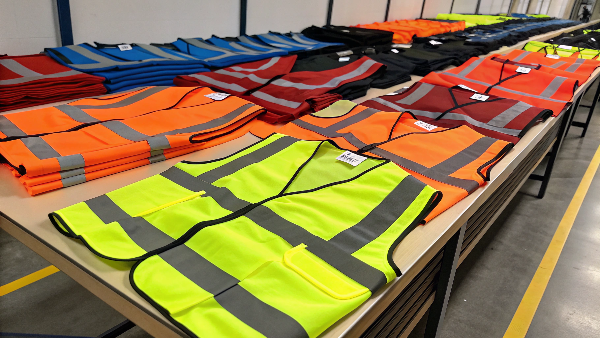
Understanding these standards is non-negotiable for anyone in the PPE business13. I remember a new client who almost placed a huge order for the European market using ANSI-specified measurements. It would have been a disaster, with the entire shipment likely failing customs. We helped him adjust the design to meet EN ISO 20471 requirements, saving him from a massive loss. This is why working with an expert manufacturer is so important. The two standards seem similar, but their details are very different. A supplier must have the equipment and knowledge to test for both. Our own lab has over 75 testing devices just for this purpose, ensuring every garment we ship meets the exact regional standard required by our clients.
ANSI/ISEA 107 vs. EN ISO 20471: Key Differences
| Feature | ANSI/ISEA 107 (North America) | EN ISO 20471 (Europe) |
|---|---|---|
| Primary Region | United States & Canada | European Union & UK |
| Performance Levels | Type O, R, or P. Class 1, 2, or 3. | Class 1, 2, or 3 (based on material area). |
| Material Requirements | Measured in square inches. Specifies minimum area for fluorescent and reflective materials. | Measured in square meters. Specifies minimum area for fluorescent and reflective materials. |
| Design Specifics | Allows more flexibility in tape placement. For example, Type R allows for different configurations. | Stricter rules on tape placement, requiring horizontal bands around the torso and sleeves. |
Knowing these differences is crucial for global brands. A reliable supplier can produce garments that meet either standard, or even create dual-certified apparel for broader markets.
What are the OSHA requirements14 for high-visibility clothing?
Worried about OSHA fines? Non-compliance puts your workers at risk and your company in financial jeopardy. Knowing the rules is the first step to ensuring a safe workplace.
OSHA requires high-visibility clothing in its construction and general industry standards, especially near moving vehicles. It often references the ANSI/ISEA 107 standard as a guide for selecting appropriate apparel based on the work environment and vehicle speeds.
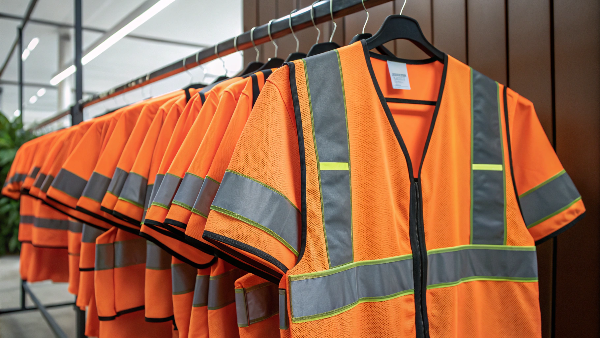
One of the most frequent questions I get from my U.S. clients, like Danny, is about OSHA. Many people think OSHA has its own separate standard for hi-vis clothing, but that's not quite right. Instead, OSHA's rule (29 CFR 1926.651) states that workers exposed to public traffic or construction vehicles must wear highly visible garments. It then points to the ANSI/ISEA 107 standard as the industry consensus on what "highly visible" means. This is a critical detail. It means if your team is wearing apparel that meets the appropriate ANSI/ISEA 107 class for their job site, you are generally meeting OSHA's expectation. This is why we work closely with clients to choose the right product. We don't just sell a vest; we ask about the work environment to recommend the right class of garment.
Matching ANSI/ISEA 107 Classes to OSHA-Regulated Work Environments
| Work Environment | Vehicle/Equipment Speed | Recommended ANSI/ISEA 107 Garment |
|---|---|---|
| Off-Road Environments (Warehouses, parking lots) | Separated from traffic, speeds under 25 mph (40 km/h). | Type O, Class 1 vests are often sufficient. |
| Roadway Environments (Traffic control, construction) | Speeds at or above 25 mph (40 km/h). | Type R, Class 2 vests, shirts, or jackets are the minimum. |
| High-Risk Roadway Environments (Highway workers, emergency responders) | Speeds exceeding 50 mph (80 km/h), complex backgrounds, bad weather. | Type R, Class 3 apparel (e.g., jackets with sleeves, coveralls) is required for maximum visibility. |
Choosing the correct class is a matter of safety and compliance. A supplier who understands these applications can guide you to a solution that keeps workers safe and your company free from fines.
Why is it important to wear high-visibility clothing?
You think a bright shirt is enough for safety. But accidents happen in seconds, especially in low-light conditions. Standard clothing simply doesn't offer the protection your team needs.
High-visibility clothing makes workers easily seen by vehicle operators, drastically reducing the risk of accidents. It uses fluorescent material for daytime visibility and retroreflective tape for nighttime, ensuring 24-hour protection in complex work environments.
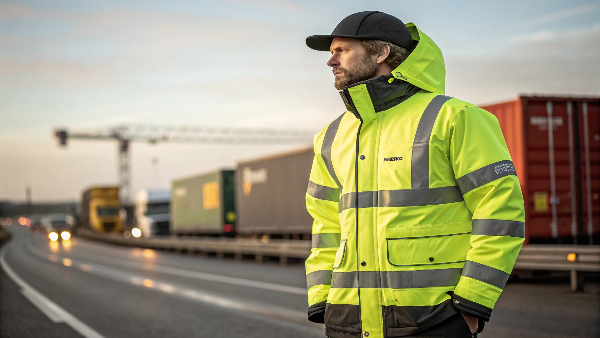
The importance of this really hit home for me a few years ago. I was visiting a construction site at dusk, and a forklift operator was moving a large pallet. He stopped suddenly. He hadn't seen a worker in a dark blue shirt walking nearby until the last second. Luckily, another worker wearing a proper Class 2 hi-vis vest was standing right behind him, and the forklift operator saw the reflective tape from a hundred feet away. That incident showed me firsthand that this apparel is not just a uniform; it's a lifesaver. The science is simple but effective. Fluorescent colors react with UV rays from the sun to appear incredibly bright during the day. At night, retroreflective tape uses glass beads to bounce light directly back to its source, like a car's headlights. It's this two-part system that provides true 24-hour conspicuity.
The Core Benefits of a High-Visibility Policy
| Benefit | How It Works |
|---|---|
| Accident Prevention | Makes workers visible from a distance, giving drivers and equipment operators more time to react. This is the number one reason. |
| Legal & Regulatory Compliance | Meets requirements from bodies like OSHA, FHWA, and European safety authorities, avoiding fines and legal issues. |
| Enhanced Worker Confidence | When workers feel seen and protected, their morale and focus on the job can improve. They feel valued by their employer. |
| Professional Company Image | A team outfitted in proper, uniform PPE signals that your company is professional and committed to safety. |
Investing in high-quality hi-vis clothing is one of the most effective and low-cost ways to protect your workforce. It shows a commitment to safety that goes beyond just meeting basic rules.
Conclusion
Before ordering, vet your supplier on compliance, quality, and lead times. A strong partner ensures worker safety, meets standards like ANSI and OSHA, and protects your brand reputation.
-
Learn about common causes of production delays to avoid them in your supply chain. ↩
-
Discover effective quality control practices that can enhance product reliability. ↩
-
Learn how to evaluate supply chain stability to ensure reliable product delivery. ↩
-
Understand the critical role of high-visibility clothing in ensuring worker safety. ↩
-
Explore how proper safety gear can protect your business from legal issues. ↩
-
Understand the importance of MOQ in managing inventory and costs effectively. ↩
-
Discover how triple inspections can significantly reduce defects in manufacturing. ↩
-
Find out about essential customization options that can help differentiate your brand. ↩
-
Explore the best reflective tape options to enhance visibility and safety. ↩
-
Explore the ANSI/ISEA 107 standard to ensure compliance and safety in your apparel. ↩
-
Learn about EN ISO 20471 to ensure your products meet European safety standards. ↩
-
Discover essential garment design elements that enhance safety and compliance. ↩
-
Learn best practices in the PPE industry to ensure compliance and safety. ↩
-
Understand OSHA requirements to ensure compliance and protect your workforce. ↩