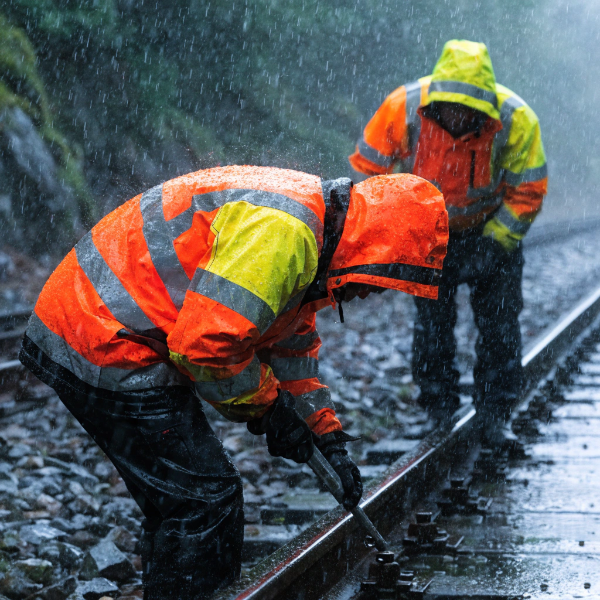
Feeling overwhelmed by PPE regulations? Choosing the wrong safety gear is a serious risk. Let me break down the essentials of high-visibility garments to make your decision easier.
High-visibility garments are special apparel designed to make workers easily seen. They use bright, fluorescent colors for daytime visibility and retroreflective materials that shine in headlights at night. This ensures workers are conspicuous in all light conditions, which is crucial for safety.
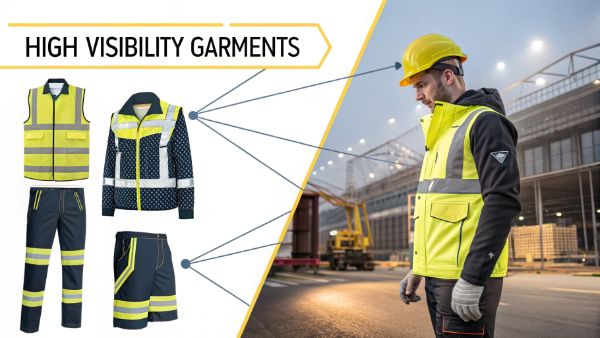
These garments are much more than just brightly colored clothes. They are a critical piece of safety equipment. We've been manufacturing them since 2007, and I've seen firsthand how important they are. I want to share what I've learned over the years. Let's start by exploring why this apparel is so vital for worker safety.
Why is it so important to wear high-visibility clothing?
Overlooking hi-vis apparel can lead to terrible accidents. The danger of being unseen by vehicle or equipment operators is very real. Wearing the right gear is the simplest prevention.
The main reason is to prevent accidents by making workers visible to drivers. The-human eye sees bright, fluorescent colors1 much better, especially in low light or bad weather. Reflective tape also returns light to its source, making workers stand out to drivers at night.
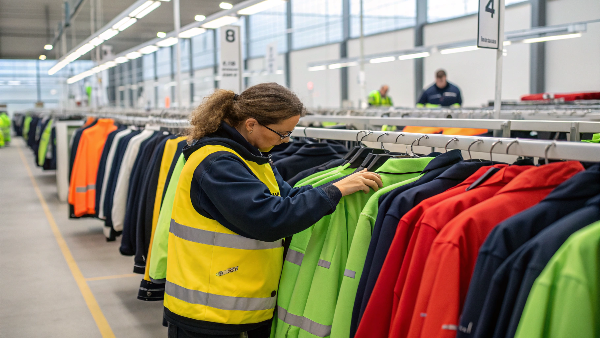
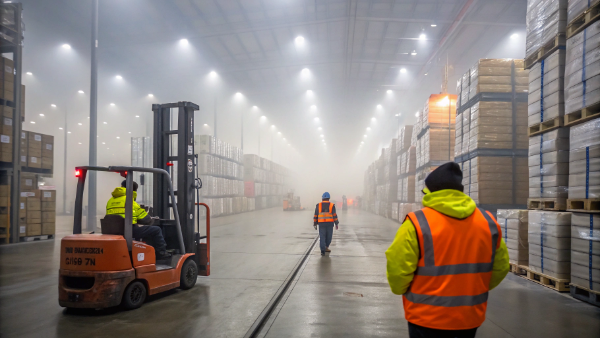
The importance of high-visibility clothing goes beyond just being bright. It's about creating a system of safety that protects people in high-risk environments2. At Vissafety, we see this as our core mission. I remember a long-term client, a logistics manager from California, who told me their warehouse accident rate dropped by nearly 30% in the first year after they enforced a strict hi-vis vest policy. The small investment in proper gear paid for itself almost instantly by preventing injuries and operational downtime. It’s a simple solution to a very dangerous problem. The goal is to separate a person visually from their work environment. When a worker's silhouette is clearly defined, a driver's brain can process the information much faster, giving them more time to react. This is true for road workers, warehouse staff, and anyone working near moving vehicles.
Key Reasons for a High-Visibility Apparel Policy
| Reason | Description |
|---|---|
| Accident Prevention | The primary goal. It drastically reduces the risk of workers being struck by vehicles or equipment, especially in low-light conditions. |
| Increased Conspicuity | Fluorescent colors stand out against most backgrounds during the day, while reflective tape3 provides exceptional visibility at night. |
| Regulatory Compliance | Adhering to safety regulations like those from OSHA avoids legal penalties and demonstrates a commitment to worker safety4. |
| Worker Confidence | When workers feel visible and safe, they can focus better on their tasks. This improves morale and overall productivity. |
| Defines Work Zones | Easily identifies authorized personnel on a job site, which enhances security and organization. |
What are the different high-visibility clothing standards?
Standards can seem complex and confusing. But not complying with them can get your products rejected and, more importantly, put workers at risk. I’ll clarify the main global standards.
The two primary global standards are ANSI/ISEA 1075 for the United States and EN ISO 204716 for Europe. Both classify garments into Classes 1, 2, and 3 based on the amount of fluorescent and reflective material used, dictating where each class should be worn.
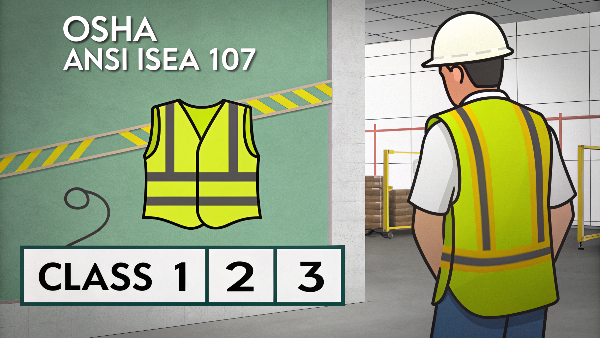
Understanding these standards is crucial for anyone sourcing PPE7. They aren't just guidelines; they are precise technical specifications. They dictate the minimum area of background and retroreflective materials8, the placement of the materials, and even the color quality. This is why at Vissafety, we built our own in-house testing laboratory with over 75 advanced devices. Before we even start production, we test every batch of fabric and reflective tape to ensure it meets these exact specifications. We verify colorfastness, luminance, and reflectivity. This guarantees that every Class 2 vest or Class 3 jacket we produce performs exactly as the standard requires. This obsession with quality gives our partners peace of mind, knowing their gear is fully compliant and will protect their people effectively.
Breakdown of High-Visibility Classes
The classes are based on the amount of visible material on a garment. More material equals a higher class and better visibility.
| Class | ANSI/ISEA 107 (USA) | EN ISO 20471 (Europe) | Typical Work Environment |
|---|---|---|---|
| Class 1 | Lowest visibility level. For workers far from traffic (speeds < 25 mph / 40 kph). | Lowest visibility level. For low-risk environments. | Parking attendants, warehouse workers away from traffic paths. |
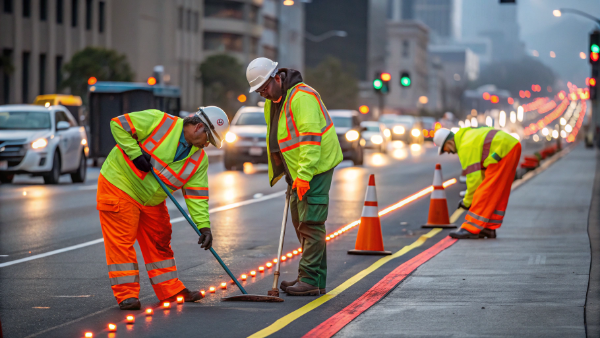
| Class 2 | For workers near traffic (speeds >25 mph / 40 kph) and in poor weather. | Intermediate visibility level. For work on or near A and B class roads. | Roadway construction workers, utility workers, survey crews. |
| Class 3 | Highest visibility level. For workers in high-risk environments near fast traffic. | Highest visibility level. For work on or near motorways and airports. | Highway workers, emergency responders, flaggers. |
What are the OSHA requirements9 for high-visibility clothing?
Are you worried about failing an OSHA inspection in the US? The rules can sometimes seem unclear, causing a lot of uncertainty. Let me explain what OSHA requires for worker apparel.
OSHA does not have its own specific standard for hi-vis clothing. Instead, it references consensus standards like ANSI/ISEA 107. The key rule requires that workers exposed to vehicle traffic wear hi-vis gear that meets one of the appropriate ANSI classes.
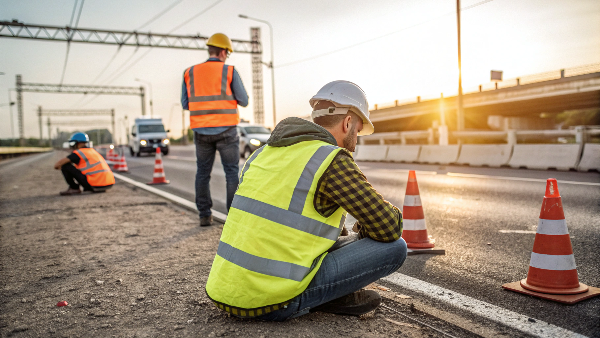
This is a very important point that many new buyers misunderstand. OSHA's role is to ensure a safe workplace, and they do this by mandating the use of effective PPE. For high-visibility, they rely on the experts who developed the ANSI/ISEA 107 standard. Their regulation, specifically 29 CFR 1926.651(d), states that "employees exposed to public vehicular traffic shall be provided with, and shall wear, warning vests or other suitable garments." The key is that these garments must be effective, and OSHA inspectors use the ANSI standard as the benchmark for effectiveness. This is why partnering with a knowledgeable manufacturer is so critical. For over 12 years, we've helped our North American clients, like Danny Cheng, select the right class of garment for their specific jobs. We make sure every product is not just made well, but is fully compliant with the standards OSHA references. This protects them from liability and keeps their teams safe.
Matching ANSI Class to Job Risk (OSHA Guidance)
| Worker Role | Common Hazards | Recommended ANSI Class |
|---|---|---|
| Parking Lot Attendant | Slow-moving vehicles (<25 mph) | Class 1 or 2 |
| Roadside Landscaper | Near traffic, but work is not on the road itself | Class 2 |
| Road Construction Worker | Directly in or near traffic (>25 mph) | Class 2 or 3 |
| Flagger / Traffic Control | High-speed traffic, complex backgrounds, bad weather | Class 3 |
| Emergency Responder | Unpredictable traffic, all weather, night work | Class 3 |
Conclusion
Remember, hi-vis gear isn't just about rules. It’s an investment in your team’s safety. Choosing the right class and a quality partner ensures they are seen and protected.
-
Discover how fluorescent colors improve visibility and safety in low-light conditions. ↩
-
Understand the challenges faced in high-risk environments and how to address them. ↩
-
Explore how reflective tape enhances visibility and safety for workers at night. ↩
-
Explore effective strategies and practices to enhance worker safety on job sites. ↩
-
Learn about the ANSI/ISEA 107 standard and its role in high-visibility clothing regulations. ↩
-
Discover the differences between EN ISO 20471 and ANSI standards for high-visibility clothing. ↩
-
Learn the key factors to consider when sourcing personal protective equipment. ↩
-
Understand the technology behind retroreflective materials that enhance visibility at night. ↩
-
Find out the OSHA regulations regarding high-visibility clothing for worker safety. ↩