Sourcing quality workwear can strain your budget, and choosing the wrong supplier can lead to even higher costs. Partnering with a direct manufacturer is the key to real savings.
To save significant costs on bulk high-visibility workwear, you should buy directly from a certified manufacturer like us, Vissafety. This eliminates middleman markups, reduces risks with triple-inspected quality, and streamlines your supply chain. We offer direct pricing, full customization, and door-to-door shipping for maximum value.
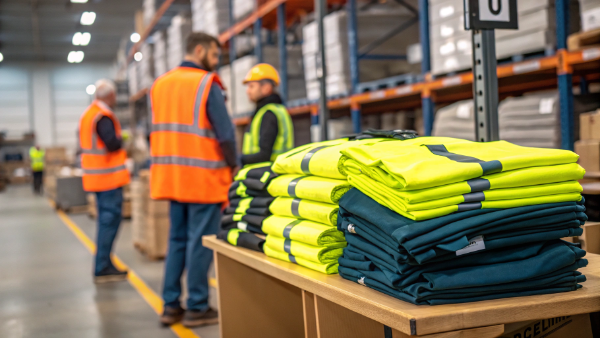
Saving money on bulk orders is about more than just the initial price tag. It involves understanding the product's quality, compliance, and the long-term value it brings to your business. When you account for durability, worker safety, and brand reputation, working with a reliable manufacturing partner becomes the most cost-effective strategy. To make the best purchasing decisions, you need to understand what you're buying at a deeper level. Let's explore the key aspects of high-visibility workwear that impact your bottom line.
What is high visibility PPE?
Confused about what makes safety gear "high visibility"? Choosing the wrong type can lead to non-compliance1 and put workers at risk. We can clarify the essentials for you.
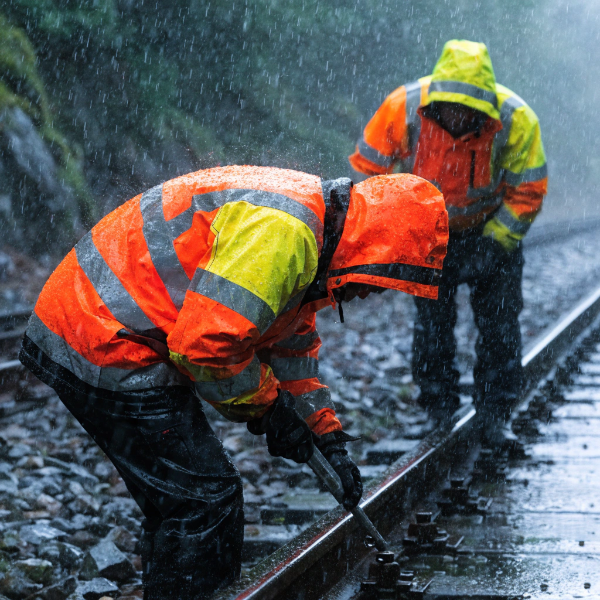
High-visibility Personal Protective Equipment (PPE) is clothing designed with fluorescent materials2 and reflective tapes. It makes the wearer easily seen in low-light conditions, near moving vehicles, or on complex backgrounds, significantly reducing accident risks in hazardous work environments.
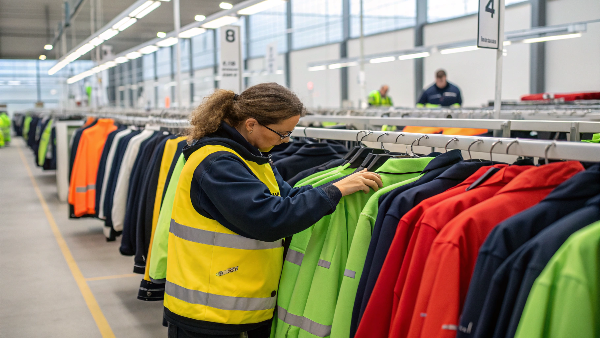
High-visibility PPE is scientifically engineered to protect workers by making them stand out. The effectiveness of this gear depends on two primary elements working together. The first is the fluorescent background material, which uses special pigments to appear exceptionally bright in daylight and low-light conditions like dawn or dusk. The second is the retroreflective material, or reflective tape3, which bounces light back to its source, like a vehicle's headlights, making the wearer highly visible at night. We’ve dedicated years of research in our own lab to perfecting these materials. With over 75 testing devices, we ensure every fabric and tape we use not only meets but exceeds global safety standards. This combination is what truly defines high-visibility apparel and separates it from simple bright-colored clothing.
The Core Components
| Component | Primary Function | Ideal Conditions |
|---|---|---|
| Fluorescent Material | Enhances visibility during daylight hours and twilight. | Daytime, dawn, dusk, fog |
| Retroreflective Tape | Reflects light back to the source, like headlights. | Nighttime, low-light environments |
| Combined-Performance | Garments that use both materials for 24-hour protection. | All conditions, day and night |
Why is it important to wear high-visibility clothing?
Do your workers sometimes skip their safety vests4? This simple oversight can lead to tragic accidents and costly liability. See why it's a non-negotiable part of workplace safety.
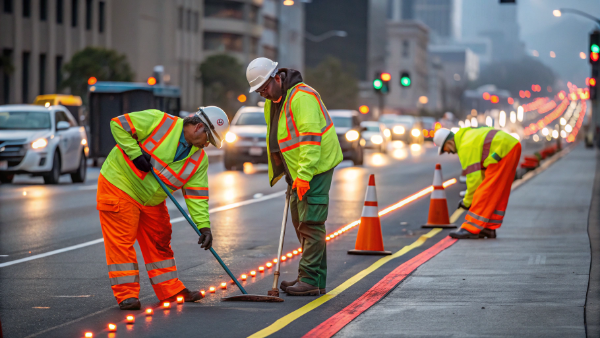
Wearing high-visibility clothing is crucial for preventing accidents. It makes workers stand out against their environment, especially around moving traffic and equipment. This visibility is a worker's first line of defense against being struck by vehicles or machinery, saving lives and reducing injuries.
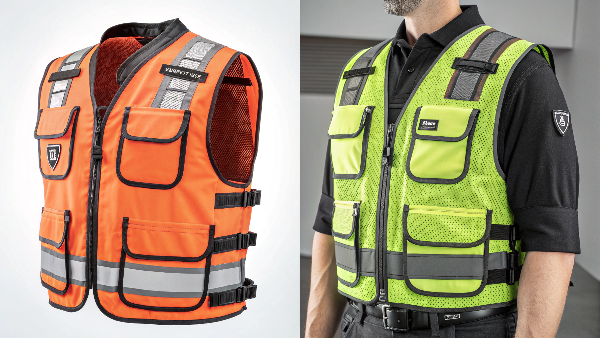
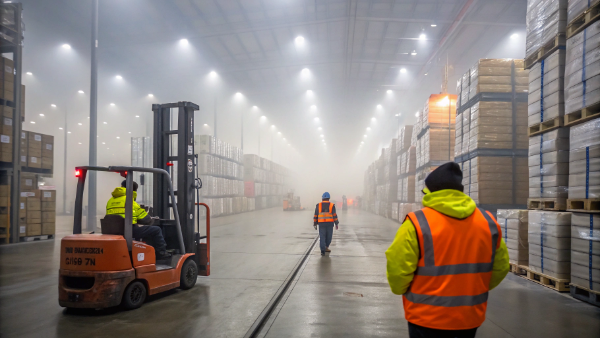
The core principle behind high-visibility apparel is "conspicuity"—the ability of an object to draw attention. In a busy work environment, the human eye can easily miss a person against a complex background. High-visibility clothing works by creating a stark color and light contrast that the brain cannot ignore. This is vital for workers on construction sites, roadways, and in warehouses where vehicles and heavy machinery are constantly moving. A long-time partner of ours, Danny Cheng, who supplies safety gear across North America, shared a story with me. One of his largest clients in the logistics sector implemented a mandatory high-visibility policy and saw a 40% reduction in near-miss incidents within the first year. This demonstrates that it's not just about compliance; it's about creating a fundamentally safer workplace and protecting your most valuable asset: your people.
Reducing Risks and Liabilities
| Risk Factor | How High-Vis Clothing Helps |
|---|---|
| Moving Vehicles/Equipment | Makes workers visible from a distance, giving operators more time to react. |
| Low-Light Conditions | Reflective tapes illuminate the worker in headlights, preventing nighttime accidents. |
| Complex Backgrounds | Bright fluorescent colors make workers stand out from visual clutter. |
| Company Liability | Proves due diligence in protecting workers, reducing legal and financial risks. |
What are the high-visibility clothing standards?
Worried your safety apparel won't pass inspection? Non-compliant gear means wasted money, potential recalls, and safety risks. We'll guide you through the essential standards you need to know.
The primary global standards are EN ISO 204715 for Europe and ANSI/ISEA 1076 for the United States. These standards specify requirements for background material, retroreflective material, and overall design to ensure garments provide adequate visibility for different risk environments.
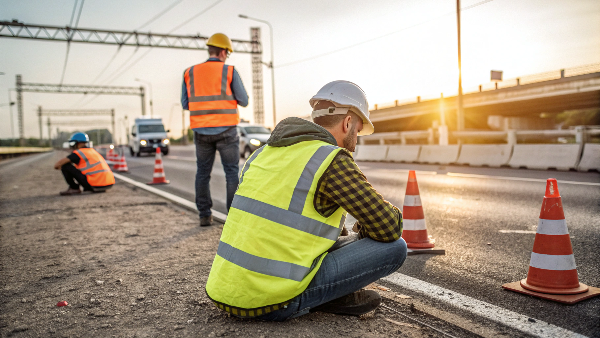
Understanding these standards is critical for any business purchasing PPE. They are not just guidelines; they are detailed technical specifications that define what makes a garment truly safe. The standards categorize garments into different classes based on the amount of fluorescent and reflective material they contain. A higher class offers greater visibility and is required for higher-risk environments. For example, a parking attendant may only need a Class 1 vest, but a highway construction worker needs a Class 3 garment. As a manufacturer, we live and breathe these standards. Our facility is certified by ISO, and our products are designed to meet both EN ISO 20471 and ANSI/ISEA 107. This commitment to compliance is a big reason why partners like Danny Cheng have relied on us for over 12 years—they know every shipment from us is guaranteed to be inspection-ready.
Comparing Global HVSA Standards
| Feature | ANSI/ISEA 107 (US) | EN ISO 20471 (Europe) |
|---|---|---|
| Primary Goal | Provides conspicuity in different work environments. | Ensures high visibility in any light condition. |
| Performance Classes | Type O (Class 1), Type R (Class 2 & 3), Type P (Class 2 & 3) | Class 1, Class 2, Class 3 |
| Key Measurements | Minimum area of fluorescent & retroreflective materials. | Minimum area of materials, plus color and luminance requirements. |
| Our Commitment | We produce garments verified to meet all Types and Classes. | Our lab tests all materials to exceed ISO 20471 specifications. |
What are the OSHA requirements7 for high-visibility clothing?
Are you sure your team's gear meets OSHA's rules? Misinterpreting these guidelines can lead to citations and unsafe work sites. Let's clarify what OSHA actually expects from you.
OSHA does not have its own specific standard for high-visibility clothing. Instead, it refers to ANSI/ISEA 107 as the recognized industry consensus standard. OSHA requires employers to protect workers from struck-by hazards8, and compliance with ANSI/ISEA 107 is the accepted way to do so.
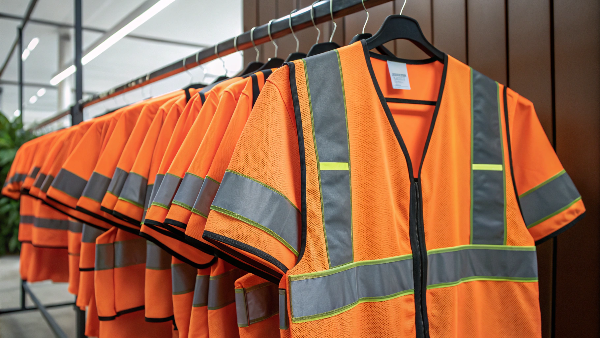
OSHA's approach is performance-based. The regulations, like 29 CFR 1926.201(a) for flaggers and 1926.651(d) for workers exposed to vehicular traffic, state that workers must be provided with and wear high-visibility garments. While OSHA doesn't detail the clothing specifications, it expects employers to use the industry standard, which is ANSI/ISEA 107. This means that if you are outfitting workers in the U.S., you must choose garments that meet the appropriate ANSI/ISEA 107 Type and Class for your specific work environment. For example, workers exposed to traffic exceeding 50 mph must wear Class 3 apparel. By manufacturing all our North American products to ANSI/ISEA 107 standards, we take the guesswork out of compliance for our clients. We help them match the right product to the right job, ensuring their teams are safe and their business is protected from OSHA citations.
Practical OSHA Guidelines and ANSI Classes
| Work Environment | OSHA Expectation | Recommended ANSI/ISEA 107 Class |
|---|---|---|
| Warehouse/Yard Workers | Protection from slow-moving warehouse vehicles. | Type O, Class 1 |
| Roadside Construction Crew | High visibility from traffic moving over 25 mph. | Type R, Class 2 or 3 |
| Emergency Responders | Highest visibility in complex, high-speed environments. | Type P, Class 3 |
| Nighttime Highway Workers | Maximum conspicuity in darkness and bad weather. | Type R, Class 3 |
Conclusion
To truly save costs on bulk high-vis apparel, partner with a direct, compliant manufacturer. We guarantee quality, adherence to standards, and direct pricing9 to help your business succeed.
-
Explore the essential compliance standards for high-visibility workwear. ↩
-
Discover how fluorescent materials enhance visibility and safety in low-light conditions. ↩
-
Find out how reflective tape increases visibility and reduces accident risks. ↩
-
Explore the various types of safety vests and their specific applications. ↩
-
Learn about the EN ISO 20471 standard and its significance in workwear safety. ↩
-
Understand the ANSI/ISEA 107 standard and its role in ensuring worker safety. ↩
-
Get clarity on OSHA's expectations for high-visibility workwear compliance. ↩
-
Learn about struck-by hazards and effective measures to protect workers. ↩
-
Discover how direct pricing can lead to significant savings for your business. ↩