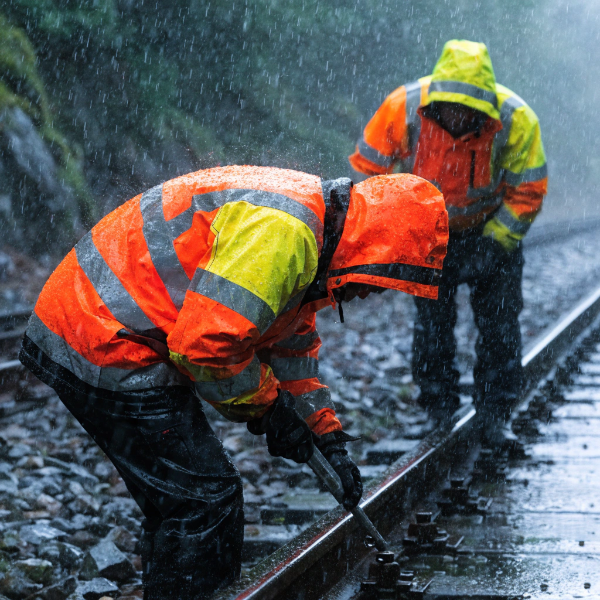
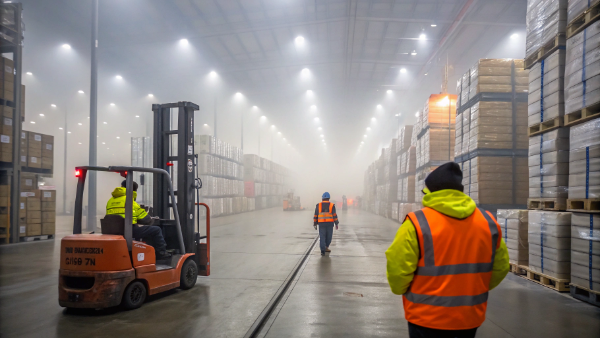
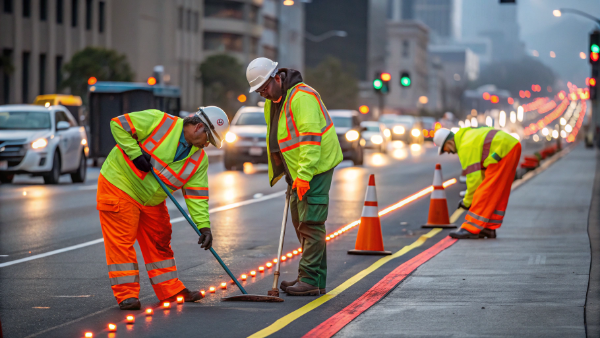
Are you tired of buying budget hi-vis gear that fades and falls apart? We see this cycle all the time. It costs businesses money and, more importantly, compromises team safety.
To evaluate hi-vis for its true value, look past the price tag. We believe you should consider its compliance longevity, durability, impact on productivity, and risk mitigation. Quality garments last longer and perform better, saving a business money.
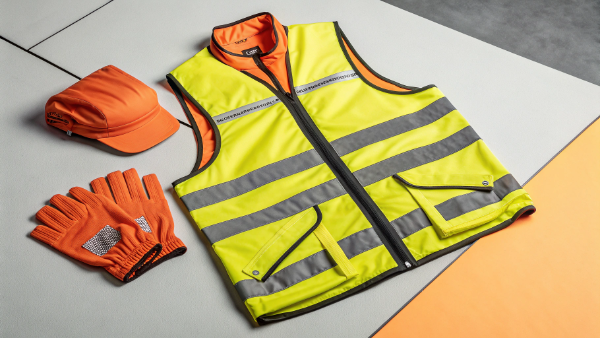
As a manufacturer of hi-vis apparel since 2007, we understand that a low price tag can be tempting. However, the most successful brands and businesses we partner with know the secret: the real measure of workwear is its total cost of ownership1 over time. It’s about making a smart, long-term investment in safety and performance. Let us show you how we build true value into every garment we produce.
What are the rules for hi-vis?
Confused by all the hi-vis rules and standards? We know choosing the wrong gear can lead to fines and safety incidents. Understanding the regulations before you buy is critical.
The primary rules for hi-vis are set by standards like ANSI/ISEA 107 in the US and EN ISO 204712 in Europe. These define the minimum fluorescent material and reflective tape3 required for different visibility classes4, ensuring workers are seen.
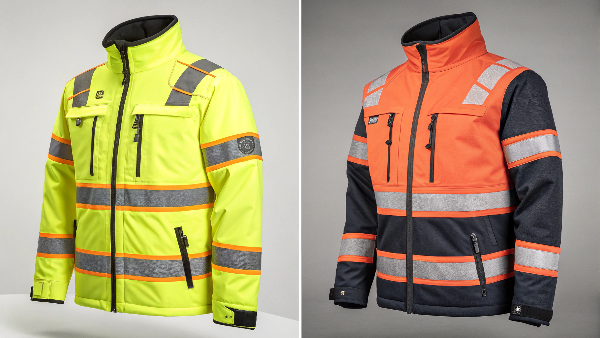
The rules for high-visibility clothing are non-negotiable safety standards5. We manufacture for clients globally, so our expertise in these standards is a core part of our service. A client like Danny Cheng in California needs ANSI/ISEA 1076 compliance for his market, but if his customers have projects in Europe, they'll need EN ISO 20471. Our job is to be the expert partner that ensures every garment is produced to the exact specification required for any region. This deep knowledge is part of the value we provide; it prevents costly mistakes and ensures the gear delivers real, compliant protection for your customers.
Key Global Hi-Vis Standards
| Standard | Region | Key Focus |
|---|---|---|
| ANSI/ISEA 107 | USA | Defines performance classes (1, 2, 3) based on traffic speed and work environment. Specifies amounts of background material and retroreflective tape. |
| EN ISO 20471 | Europe | Also uses a 3-class system based on risk. Has strict requirements for the placement of reflective tape to outline the human form. |
| AS/NZS 1906.4 | Australia/New Zealand | Specifies requirements for high-visibility materials, including color and retroreflection for day and night use. |
Does it matter what color hi-vis you wear?
Is fluorescent yellow always the best choice? We know that choosing the wrong color for a specific work environment can actually reduce visibility. The color you choose really does matter.
Yes, the color matters greatly. The most effective hi-vis colors are fluorescent yellow-green, orange-red, and red. These contrast sharply with most backgrounds. We help clients select the right color for their specific work environments to ensure maximum visibility.
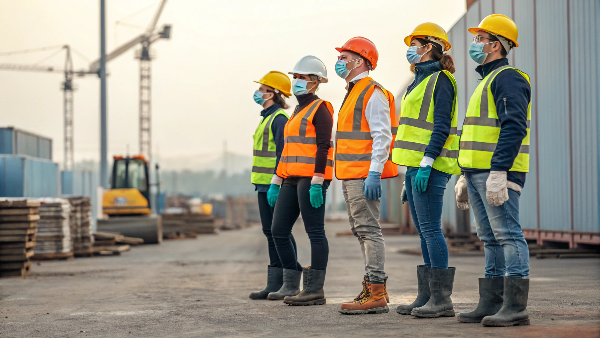
The point of hi-vis is to make the wearer stand out against the background. The human eye is most sensitive to fluorescent colors7, which appear brighter in low-light conditions like dawn and dusk. But context is everything. That's why we produce garments in all three primary ANSI-compliant colors: fluorescent yellow-green, fluorescent orange-red, and fluorescent red. For a client whose customers work on city streets, yellow-green is perfect. For another who supplies forestry crews, orange-red is better against green foliage. We see our role as more than just a manufacturer; we are consultants, helping our clients make the best choices for their unique markets. This partnership is a key part of the value we deliver.
Choosing the Right Color for the Job
| Environment | Recommended Color | Reason |
|---|---|---|
| Urban, Cityscapes | Fluorescent Yellow-Green | Contrasts well against concrete, asphalt, and urban structures. The most universally visible color. |
| Rural, Foliage, Snow | Fluorescent Orange-Red | Stands out against green, brown, and white backgrounds. Common in forestry and highway work. |
| Complex Backgrounds | Fluorescent Red | Offers a strong contrast in environments where yellow or orange might blend in. |
| Non-Certified Use | Pink, Blue, etc. | While bright, these colors are not approved under standards like ANSI/ISEA 107 for regulated job sites. We can produce them for specific needs, but we always clarify their compliance level. |
How is high viz clothing tested?
A new hi-vis vest looks bright, but will it stay that way? Without proper testing, fluorescent colors fade and reflective tapes peel. We ensure our products last by proving their durability8 through rigorous testing.
High-visibility clothing is tested for color and reflectivity. We test color fastness9 against UV light and washing to ensure it stays fluorescent. We test reflective material for performance after abrasion, flexing, and many wash cycles, ensuring long-term safety.
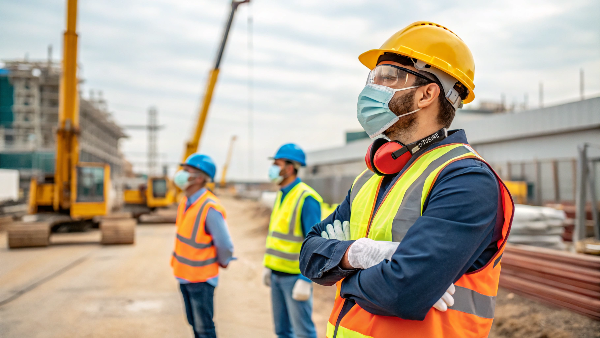
We often hear from new clients who have been let down by others. One distributor, before partnering with us, told us he lost a $500,000 contract. His previous supplier sent him a batch of jackets with inconsistent colors and peeling tape. It was a painful lesson on the hidden cost of "cheap." This is precisely why our 200,000 sqm facility includes an industry-leading testing lab10 with over 75 devices. We test every batch for colorfastness, retroreflectivity11, and fabric strength. We provide our clients with these reports. This obsessive focus on quality control guarantees that the 1,000th garment is just as safe as the first. This is how we build trust and deliver real, measurable value.
Key Quality Tests for Hi-Vis Apparel
| Test Type | Purpose | How We Ensure Value |
|---|---|---|
| Spectrophotometer Test | Measures if the fabric's fluorescent color meets standard requirements before and after washing. | We guarantee the garment remains visible and compliant over its lifespan, preventing fade. |
| Retroreflectometer Test | Measures the brightness of the reflective tape3. We test it after abrasion, flexing, and washing. | We ensure the wearer will be seen at night, even after the garment has been subjected to heavy use. |
| Wash Cycle Test | Simulates laundering to check performance after 25, 50, or more washes. | This proves the garment's durability, allowing our clients to confidently promise a longer service life. |
| Tensile Strength Test | Measures the fabric’s resistance to tearing under tension. | This ensures our garments withstand the physical demands of the job, reducing rips and replacement costs. |
What is class 3 high-visibility clothing?
Are your customers working near high-speed traffic? A Class 2 vest may not be enough. We specialize in engineering Class 3 garments for the highest-risk zones.
Class 3 high-visibility clothing12 offers the highest level of visibility. It's required for workers exposed to high-speed traffic13 or complex backgrounds. It has more fluorescent and reflective material, including sleeves with reflective bands, for maximum conspicuity.
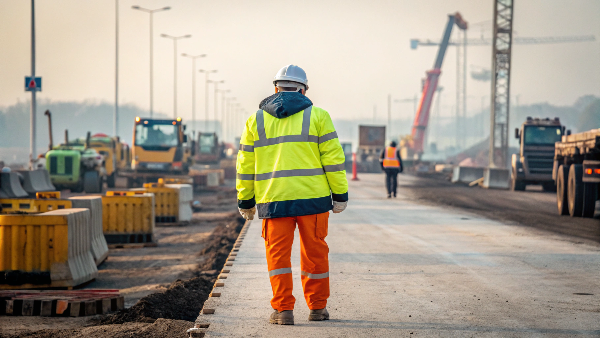
For many of our partners, like those serving highway construction and emergency response crews, Class 3 garments are absolutely essential. This class is designed to outline a full human silhouette, giving drivers crucial extra seconds to react. But our job doesn't end with compliance. We know that if a Class 3 jacket is too heavy or uncomfortable, workers may not wear it properly. That's why our design teams focus on ergonomics14 and advanced materials. We engineer Class 3 apparel that is lightweight, breathable, and allows for a full range of motion. For example, in 2020 we co-launched a line of lightweight, breathable safety jackets with a client to meet the needs of workers in high-temperature environments. This blend of uncompromising safety and user-focused design is how we create truly valuable products.
ANSI/ISEA 107 Performance Classes at a Glance
| Class | Risk Level / Traffic Speed | We Manufacture For | Key Requirement |
|---|---|---|---|
| Class 1 | Low / < 25 mph | Parking lot attendants, warehouse workers. | The minimum amount of hi-vis material. |
| Class 2 | Medium / 25-50 mph | Roadway construction workers, utility crews. | More background and reflective material than Class 1. |
| Class 3 | High / > 50 mph | Highway flaggers, emergency responders. | The highest amount of material, including coverage on the arms. Provides 360-degree visibility. |
Conclusion
Choosing quality isn't an expense; it's an investment. We deliver lasting value that protects your people, safeguards your brand, and strengthens your bottom line.
-
Explore insights on the total cost of ownership and why it matters for your business investments. ↩
-
Learn about the EN ISO 20471 standard and its importance for high-visibility clothing in Europe. ↩
-
Discover the importance of reflective tape in hi-vis gear and how it improves safety. ↩ ↩
-
Discover the various visibility classes and their significance in ensuring worker safety. ↩
-
Get informed about the essential safety standards that govern hi-vis clothing for workers. ↩
-
Get detailed information on ANSI/ISEA 107 standards to ensure compliance and safety in your gear. ↩
-
Explore the significance of fluorescent colors in enhancing visibility and safety on the job. ↩
-
Find out how durability in hi-vis clothing can save money and enhance safety in the workplace. ↩
-
Learn about color fastness testing and its role in ensuring long-lasting hi-vis clothing. ↩
-
Learn about the rigorous testing processes that ensure the quality and safety of hi-vis clothing. ↩
-
Understand retroreflectivity and its critical role in ensuring visibility in low-light conditions. ↩
-
Find out when Class 3 high-visibility clothing is necessary for maximum safety on the job. ↩
-
Understand the necessity of Class 3 hi-vis clothing in high-risk environments for safety. ↩
-
Explore how ergonomic design in hi-vis apparel enhances comfort and safety for workers. ↩