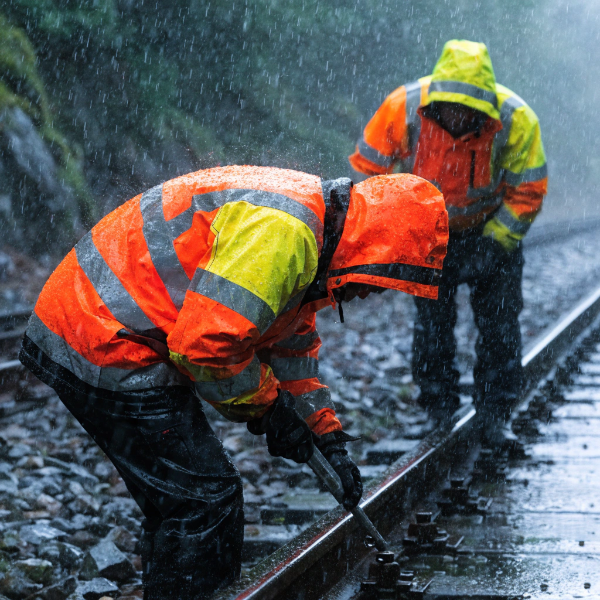
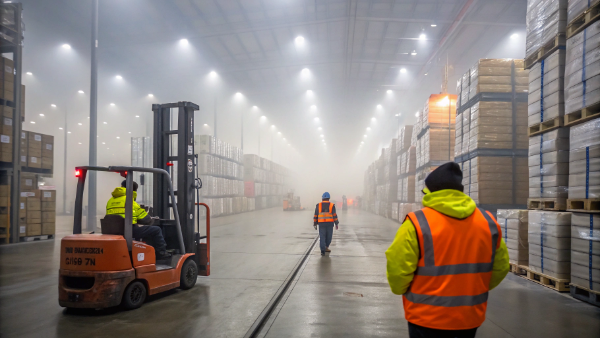
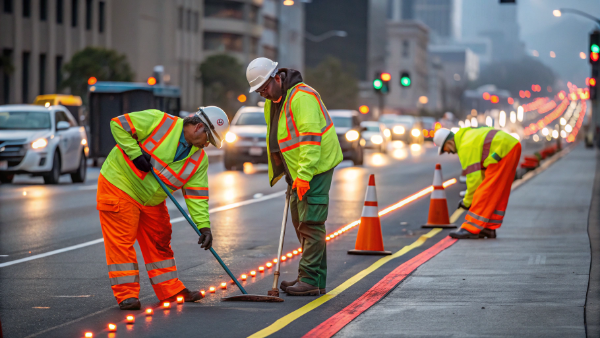
Sourcing compliant hi-vis apparel is complex. A wrong choice leads to safety risks and financial loss. Your solution is a clear checklist to simplify procurement and ensure worker safety.
A compliant hi-vis apparel checklist must include verifying safety standard certifications like ANSI/ISEA 107, selecting the correct garment class, and confirming sufficient fluorescent and reflective materials. Check durability, design features for the job, and most importantly, the supplier's reliability for consistent quality and support.
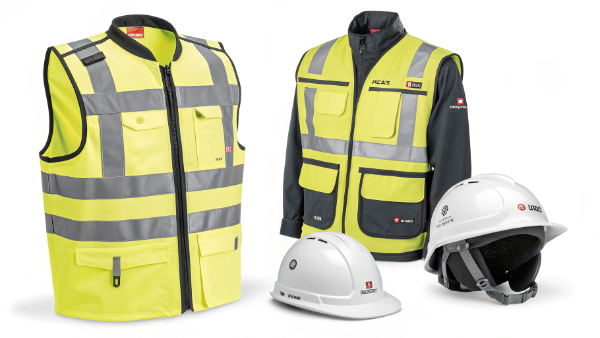
Getting this right is not just about ticking boxes; it's about protecting lives and your company's reputation. You need a an apparel program that is both compliant and practical for your teams in the field. But with so many standards, classes, and suppliers, it can be hard to know where to begin. This guide will walk you through the essential checkpoints, making your next procurement decision easier and more effective. Let's break down exactly what you need to look for to build a foolproof hi-vis apparel1 strategy.
What are the core requirements for high-visibility safety apparel?
Your workers are hard to see in low-light conditions. This dramatically increases the risk of accidents on site. Compliant high-visibility apparel makes them stand out, preventing injuries and saving lives.
The main requirements are meeting standards like ANSI/ISEA 1072, having enough fluorescent material for daytime visibility, and retroreflective tape3 for nighttime. The garment's class, which dictates material amounts, must match the job's risk level. Always check the label for certification proof.
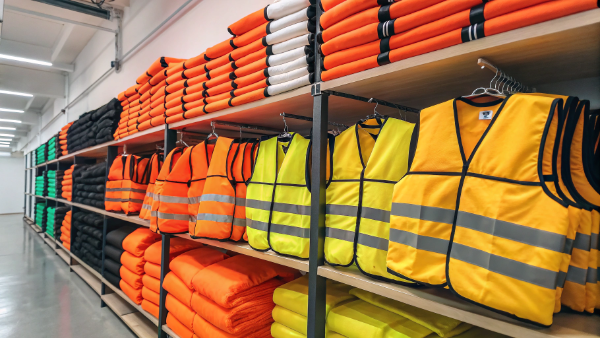
When I work with procurement managers, the first thing we discuss is the foundation: compliance4. High-visibility clothing is personal protective equipment (PPE), and its design is not arbitrary. It's governed by strict standards to ensure it performs when needed. The two most critical components are the background material and the retroreflective tape. The fluorescent background material is what makes a worker visible during the day, in fog, or at dusk. It works by converting invisible UV light into visible light, making the colors pop. The retroreflective tape is designed for nighttime visibility. It reflects light, like car headlights, directly back to the source, making the wearer visible in the dark. The amount of each material required depends on the garment's class, which we'll discuss next. For now, remember to check the product's label. It should clearly state the standard it meets, the class, and care instructions5.
| Component | Purpose | Key Requirement |
|---|---|---|
| Fluorescent Material | Daytime, dawn, and dusk visibility | Bright, conspicuous colors (e.g., yellow, orange-red) |
| Retroreflective Tape | Nighttime or low-light visibility | Returns light directly to the source |
| Garment Label | Proof of Compliance | Must state standard, class, and manufacturer info |
How do you choose the right class of high-visibility clothing?
Choosing the wrong class wastes money. It either offers too little protection for your team or is overkill and unnecessarily expensive. Matching the class to the work environment is the solution.
Choose the garment class6 based on the work environment and nearby traffic speed. Class 1 is for low-risk areas. Class 2 is for moderate risks with traffic up to 50 mph. Class 3 provides the highest visibility for high-speed traffic zones.
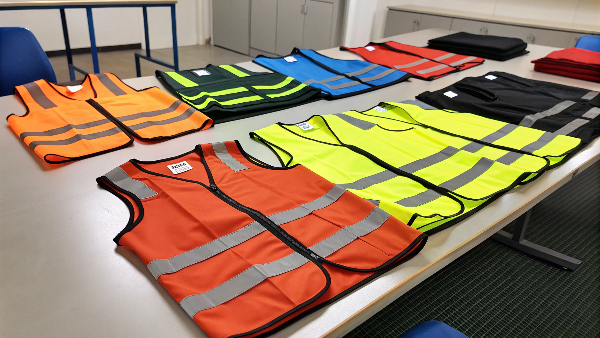
The ANSI/ISEA 107 standard, which is the benchmark in the United States, breaks hi-vis apparel1 into different types and performance classes. This helps you match the garment to a specific job hazard7. The three performance classes are the most important distinction for a procurement manager to understand. A worker in a parking lot with slow-moving vehicles has very different visibility needs than a highway construction worker. In our experience working with clients like Danny Cheng in North America, who supplies to construction and logistics sectors, getting the class right is a top priority. Equipping a team with Class 2 vests when Class 3 is required not only violates regulations but puts lives at risk. Conversely, over-specifying to Class 3 for all jobs can strain your budget. The key is a careful risk assessment of each work zone.
ANSI/ISEA 107 Garment Classes and Typical Job Roles
| Class | Worker Visibility Level | Work Environment Examples | Minimum Reflective Tape |
|---|---|---|---|
| Class 1 | Low Risk | Parking lot attendants, warehouse workers | Not always required |
| Class 2 | Moderate Risk | Roadway construction with traffic < 50 mph, utility workers | Tape over shoulders & around middle |
| Class 3 | High Risk | Highway workers, incident responders, flaggers | Tape on torso and sleeves/trousers |
The standard also includes Types. Type O is for non-roadway "Occupational" use, Type R for "Roadway" use, and Type P for "Public Safety" responders. Most of our clients need Type R apparel.
What must be done with high-visibility clothing to maintain safety?
Even the best quality hi-vis vests get dirty and worn out. A dirty or faded vest loses its visibility, becoming non-compliant and unsafe. Proper care is the simple solution to extend its life.
To maintain safety, you must inspect garments regularly for fading, damage, or dirt. Always follow the manufacturer's washing instructions, as improper cleaning can ruin the materials. Replace worn-out apparel immediately to ensure your team stays safe and compliant.
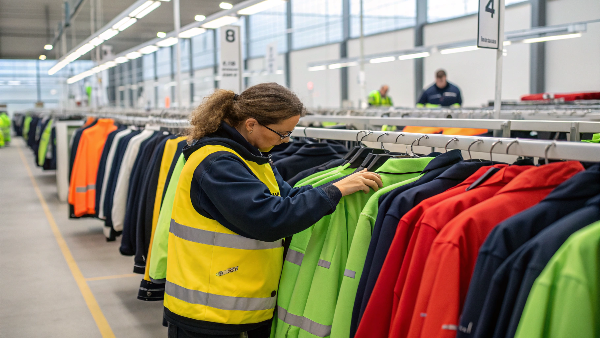
A common mistake I see is companies investing in top-quality gear but failing to implement a care and maintenance program8. The safety features of hi-vis apparel are not permanent. Dirt, grease, and grime can cover the fluorescent and reflective materials, making them ineffective. Similarly, repeated incorrect washing can destroy them. For example, using bleach or fabric softeners can chemically degrade the materials, and high-heat drying can melt the reflective tape. We always provide clear washing instructions with our garments because we know durability9 is about both manufacturing quality and user care. I advise my clients to train their teams to conduct a quick visual inspection10 before each use. If a vest is faded, torn, or permanently soiled, it no longer provides the required level of protection and must be replaced. There is no set expiration date for a hi-vis garment; its lifespan is determined entirely by its condition.
Simple Maintenance Checklist
- Inspect: Before each use, check for tears, dirt, and fading.
- Clean: Wash according to the label. Usually, this means cold water and a gentle cycle.
- No Bleach: Never use chlorine bleach.
- Air Dry: Hang to dry whenever possible to protect the reflective tape.
- Replace: When the garment is visibly worn or damaged, take it out of service.
What makes a supplier the right partner for your hi-vis needs?
A cheap supplier often seems attractive at first. But they frequently cause quality issues, shipping delays, and compliance headaches down the line. The solution is choosing a reliable, certified, and transparent partner.
A great supplier provides certified, high-quality garments, flexible customization11, stable lead times, and clear communication. Look for partners with a proven track record and key certifications like ISO 900112 and BSCI13 to ensure reliability and build long-term trust.
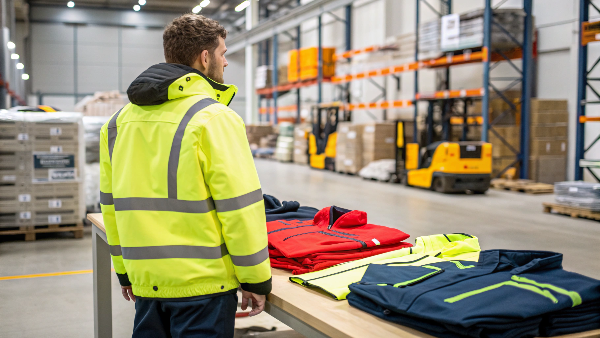
After 17 years in this industry, I can tell you that the supplier you choose is just as important as the product you buy. A great partnership goes beyond the transaction. It's about finding a manufacturer who understands your market, responds to your needs, and consistently delivers on their promises. For my long-term clients like Danny, supply chain stability14 is everything. He needs to know he can get a fast replenishment order during his peak season without worrying about quality. That's why we built our systems around reliability. We implemented a triple-inspection process—before, during, and after production—to guarantee quality. We also maintain reserve capacity to handle urgent orders. When you're vetting a new supplier, don't just look at the price per vest. Ask about their quality control process, their lead times, and their certifications. A partner who invests in certifications like ISO 9001 (quality management) and OEKO-TEX (material safety) is showing you they are serious about their commitments.
Key Supplier Evaluation Criteria
| Criteria | What to Look For | Why It Matters |
|---|---|---|
| Certifications | ISO 9001, BSCI, OEKO-TEX, WRAP | Proves commitment to quality, ethical practices, and safety. |
| Quality Control | Multi-stage inspection process | Prevents defects and ensures every batch meets your standards. |
| Customization | Logo services, design changes, custom materials | Allows you to differentiate your brand and meet specific needs. |
| Supply Chain | Stable lead times, reliable logistics | Ensures you get your product on time, every time. |
| Communication | Quick response times, expert advice | A strong partner acts as an extension of your own team. |
Conclusion
Your checklist should cover standards, class, care, and your supplier. Nailing these points ensures your team's safety and keeps your business compliant and running smoothly.
-
Explore this link to find comprehensive guides and suppliers for compliant hi-vis apparel. ↩ ↩
-
This resource provides detailed insights into the ANSI/ISEA 107 standard for high-visibility clothing. ↩
-
Learn about the importance of reflective tape for nighttime visibility and safety. ↩
-
Understand the critical role of compliance in ensuring safety and legal adherence. ↩
-
Find essential care instructions to maintain the effectiveness of hi-vis apparel. ↩
-
Find expert advice on selecting the right garment class based on work environment and risks. ↩
-
Learn how to assess job hazards to select the appropriate hi-vis apparel for your team. ↩
-
Explore strategies for establishing a care program to maintain the safety of hi-vis clothing. ↩
-
Explore maintenance tips and best practices to extend the life of your hi-vis garments. ↩
-
Learn the steps for performing effective visual inspections to ensure garment safety. ↩
-
Learn how customization options can help differentiate your brand and meet specific needs. ↩
-
Discover the significance of ISO 9001 certification in ensuring quality management. ↩
-
Explore the benefits of BSCI certification in promoting ethical supply chain practices. ↩
-
Understand the importance of stable supply chains in ensuring timely delivery and quality. ↩