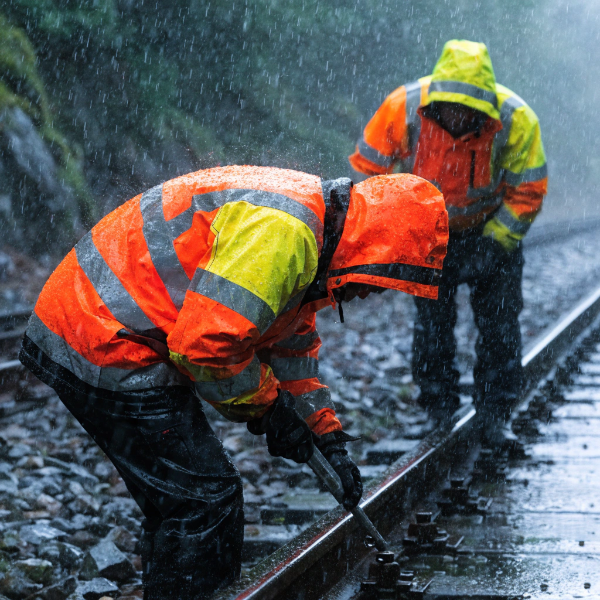
Your warehouse is busy, but low visibility creates risks. An accident can cause serious injuries and halt operations. The right gear keeps everyone safe and seen.
The best high-visibility workwear for warehouses is often an ANSI Class 2 mesh safety vest. It provides an excellent balance of visibility and breathability for areas with forklift traffic. For colder zones, Class 3 safety jackets or hoodies are a better choice, ensuring warmth and maximum visibility.
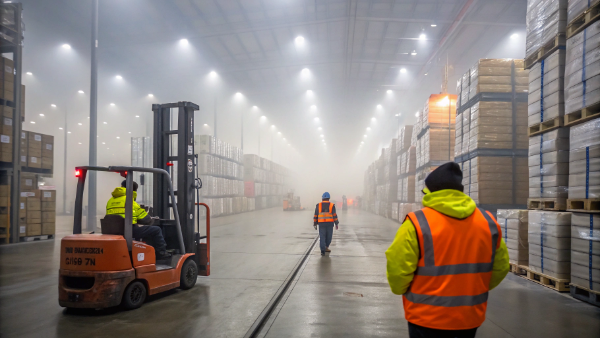
Choosing the right workwear is critical for safety and efficiency. It’s more than just picking a bright color; it’s about understanding the standards, the environment, and the specific tasks your team performs. We have spent years helping companies like yours figure this out. Getting it right prevents accidents, keeps you compliant, and helps your whole operation run more smoothly. Let’s break down what you need to know to make the best choice for your team.
Who makes the best hi-vis workwear?
Finding a workwear supplier feels like a huge risk. A bad partner can deliver poor quality, causing product recalls and damaging your brand. Work with a certified manufacturer1 for confidence.
The best hi-vis workwear comes from manufacturers who control the entire process, like us at Vissafetywear. We manage everything from fabric sourcing to final inspection. This direct-from-factory model guarantees certified quality, deep customization, and a reliable supply chain for our partners, building your brand’s reputation.
When you’re looking for a supplier, you’re really looking for a partner. I’ve seen the difference a good partnership makes. A longtime client of ours, Danny Cheng from California, learned this the hard way. Before he started working with us over 12 years ago, he lost over \$500,000 on a single order from another supplier due to color inconsistencies2. The gear was non-compliant, and the financial hit was massive.
That’s why he came to us. He needed a partner who valued reliability as much as he did. We don’t just sell products; we build trust through our process.
What to Look for in a Manufacturing Partner
| Feature | Why It Matters | Our Commitment |
|---|---|---|
| Certifications | Guarantees compliance and safety (ISO, OEKO-TEX3, BSCI). | We hold all major international certifications. |
| Quality Control | Prevents defects and ensures consistency. | We use a triple-inspection process4 on every order. |
| R&D Lab5 | Ensures products meet and exceed standards. | Our lab has over 75 testing devices for global standards. |
| Customization | Allows you to build your unique brand identity. | We offer full customization on logos, tapes, and designs. |
By focusing on these areas, you move from just buying a product to building a secure and stable supply chain. For Danny, our partnership meant 12 years with zero major quality issues, allowing him to grow his business with confidence.
Which class of high visibility apparel provides the highest level of visibility?
Not all hi-vis apparel is created equal. Using the wrong type for the job puts workers at extreme risk, especially around fast traffic. Understand the classes to ensure maximum safety.
Class 3 high-visibility apparel6 provides the highest level of visibility. It is designed for workers in complex, high-risk environments with vehicle speeds exceeding 50 mph. This class mandates the largest amount of reflective and background material, including sleeves, for full-body, 360-degree visibility.
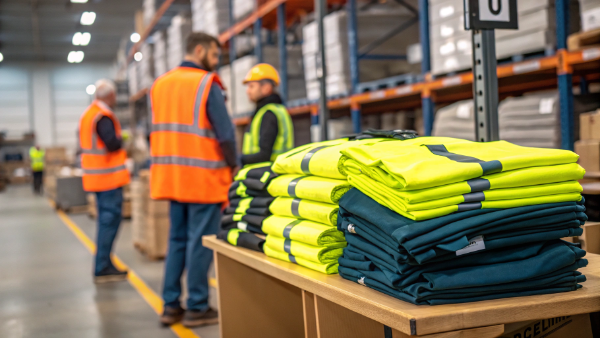
The ANSI/ISEA 107 standard7 defines the classes based on the amount of material used. More material equals more visibility from farther away. This gives drivers more time to react. While Class 3 offers the most visibility, it’s not always necessary. Choosing the right class is about balancing risk with comfort and cost. For example, a worker in a small warehouse with slow-moving forklifts might only need Class 2, while a road crew member needs Class 3 without question. Understanding the differences is key to making a safe and smart choice for your team’s specific work environment.
A Breakdown of High-Visibility Classes (ANSI/ISEA 107)
| Class | Minimum Background Material | Minimum Retroreflective Material | Typical Work Environment |
|---|---|---|---|
| Class 1 | 217 in² | 155 in² | Low-Risk: Workers well separated from slow traffic (\<25 mph). Examples: Parking lot attendants, shopping cart retrievers. |
| Class 2 | 775 in² | 201 in² | Medium-Risk: Workers near traffic exceeding 25 mph. Examples: Roadway construction, airport ground crews, most warehouse workers. |
| Class 3 | 1240 in² | 310 in² | High-Risk: Workers exposed to high-speed traffic (>50 mph) or low visibility conditions. Examples: Highway workers, emergency responders. |
Class 3 garments must have reflective material on the sleeves and trousers, ensuring the wearer is recognizable as a human shape from all angles. This is why you’ll see jackets and coveralls in this class, not just vests.
When should high visibility vests be worn in the warehouse?
Warehouse safety rules are not always clear. Thinking vests are optional can lead to a serious, preventable accident. Know exactly when vests become essential for safety on your floor.
High-visibility vests should be worn in a warehouse anytime a worker is near moving vehicles, including forklifts, pallet jacks, and delivery trucks. They are crucial in low-light areas, during order picking near machinery, and at loading docks to ensure workers are always seen.
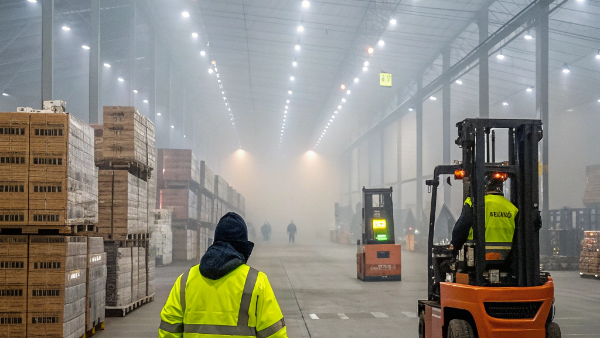
The main goal of a high-visibility vest is to make the wearer stand out against their work environment. In a busy warehouse, a forklift operator might be focused on their load, a high shelf, or navigating a narrow aisle. A standard uniform can easily blend in with pallets, boxes, and machinery. A fluorescent vest with reflective stripes breaks that camouflage, especially in a driver’s peripheral vision. It’s a simple tool that dramatically reduces the risk of "struck-by" incidents, which are among the most common and dangerous accidents in logistics and warehousing. We recommend making it a clear company policy to avoid any confusion.
Warehouse Vest-Up Checklist
Here are the situations where high-visibility vests8 are non-negotiable:
- Around Forklifts: Any pedestrian worker who enters an area where forklifts operate needs a vest.
- Loading Docks: This is a high-traffic area with trucks, forklifts, and people moving constantly. Visibility is critical.
- Low-Light Conditions: In dimly lit aisles or during night shifts, vests are essential.
- New or Visiting Staff: Visitors, trainees, and temporary workers are unfamiliar with the layout and traffic patterns, making them more vulnerable.
- Near Automated Machinery: Vests help distinguish workers from the surrounding conveyor belts and robotic systems.
Establishing clear "vest-up zones" helps everyone understand the rules and stay safe.
What is the standard which high-visibility clothing must comply with?
Compliance standards for safety gear can be very confusing. Using non-compliant apparel gives a false sense of security and creates legal liability. Look for one key standard to guarantee protection.
In the United States, the primary standard is ANSI/ISEA 107. In Europe, it is EN ISO 20471. These standards outline the specific requirements for color, reflectivity, design, and durability to ensure workers are visible and safe in various conditions, day or night.
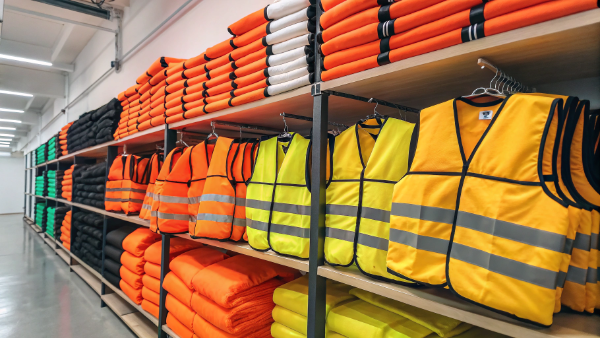
These standards are not just suggestions; they are the result of extensive research into conspicuity, which is the science of being seen. They dictate exactly how bright the fluorescent background material must be and how powerful the retroreflective tape’s reflection must be. For my client Danny, compliance is everything. He can’t risk his reputation on gear that fails. That’s why working directly with a manufacturer like us is so important. We test our materials in our own advanced lab to ensure every single garment we produce meets or exceeds the ANSI/ISEA 107 or EN ISO 20471 requirements. You get documentation, certified proof, and peace of mind.
Key Standards Compared: ANSI/ISEA 107 vs. EN ISO 204719
| Aspect | ANSI/ISEA 107 (USA) | EN ISO 20471 (Europe) |
|---|---|---|
| Performance Classes | Class 1, 2, 3 based on material amount. Also includes Type O, R, P. | Class 1, 2, 3 based on material amount10. |
| Pictogram | Does not require a pictogram on the label. | Requires a pictogram showing the class number. |
| Reflective Tape | Allows for more flexibility in placement. | Has stricter rules for tape placement, requiring bands around the torso and sleeves. |
| Material Durability | Specifies wash-cycle tests for both background and reflective materials. | Also specifies wash-cycle and abrasion tests. |
While there are small differences, the standards are very similar and follow the same principles. As a global manufacturer, we design and produce products that meet both, so you can serve different markets with confidence.
What is the best quality workwear brand?
Dozens of brands claim to be the "best" on the market. But how can you really tell the difference between high quality and good marketing? You should look for a manufacturing partner, not a label.
Instead of searching for one "best brand," you should focus on the quality of the manufacturer behind it. The best quality comes from experienced manufacturers like us at Vissafetywear, who control the entire supply chain. This guarantees premium materials, expert construction, and full compliance every time.
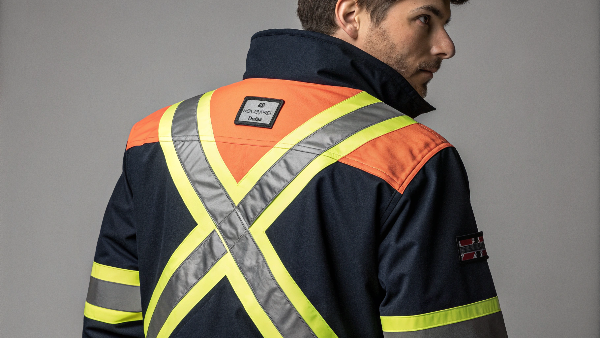
The "brand" you buy in a store is often just the last step in a long process. The real quality is determined long before that label is sewn on. It’s decided in the factory where the fabric is chosen, where the seams are stitched, and where the reflective tape is applied. When you partner directly with a manufacturer, you gain control over that quality. You can specify the exact features you need for your team, from moisture-wicking fabrics for hot climates to extra pockets for tools. We empower our clients to build their own best brand, founded on our manufacturing excellence.
Defining True Workwear Quality
| Quality Mark | What It Means for You |
|---|---|
| Premium Fabric | Garments are breathable, comfortable, and durable enough to withstand daily wear and tear. |
| Reinforced Stitching | Seams won’t split under pressure. Key stress points like pocket corners are bar-tacked for extra strength. |
| High-Performance Tape | Reflective tape stays bright and effective even after dozens of industrial wash cycles11. |
| Verified Certifications | OEKO-TEX3 means the fabric is free of harmful chemicals. BSCI means the factory meets high ethical standards. |
By focusing on these markers of a quality manufacturer, you ensure that the workwear you provide is not only safe and compliant but also durable and professional.
What are the OSHA requirements for high-visibility clothing?
OSHA regulations can feel very complex and intimidating. A violation can lead to heavy fines and even work stoppages. Simply understand the main rule to stay compliant and keep your workers safe.
OSHA requires employers to provide high-visibility garments for any worker exposed to the risk of being struck by vehicles. This includes warehouse workers near forklifts. OSHA specifically references the ANSI/ISEA 107 standard7 as the industry consensus for what qualifies as appropriate apparel.
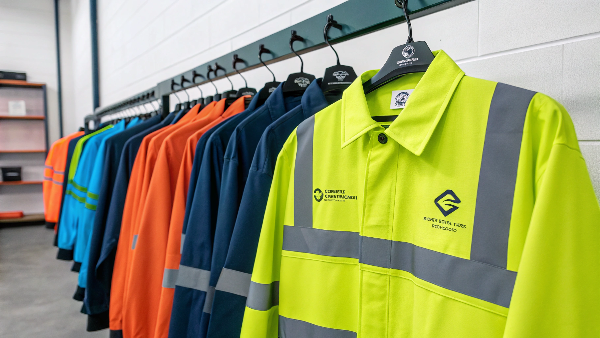
OSHA’s rule is based on a simple principle: if there is a hazard, you must protect your workers from it. The "General Duty Clause12" requires employers to provide a workplace free from recognized hazards. In a warehouse, moving forklifts are a clear hazard. While OSHA doesn’t publish its own detailed specifications for hi-vis clothing, it points directly to ANSI/ISEA 107 as the solution. This means that if you conduct a risk assessment13 and identify a "struck-by" hazard, you must provide ANSI-compliant gear. The class of gear you choose (Class 1, 2, or 3) should correspond to the level of risk in your specific work environment.
Staying OSHA Compliant: A Simple Guide
- Assess Your Workplace: Identify all areas where workers and vehicles interact. Note the speed of vehicles, lighting conditions, and complexity of the environment.
- Refer to ANSI/ISEA 107: Use your assessment to choose the correct class of garment. For most warehouses, Class 2 is the appropriate choice for general use.
- Provide the Right Gear: Equip all exposed employees with the proper high-visibility clothing. This includes vests, shirts, jackets, or coveralls.
- Train Your Employees: Ensure workers understand why and when they must wear their gear.
- Inspect and Maintain: Regularly check garments for fading, damage, or dirt that could reduce their visibility. Replace them when they are no longer effective.
By following these steps, you are not only meeting OSHA’s requirements but also creating a much safer culture for your team.
Are blue hi-vis vests legal?
You often see workers wearing blue or black vests. But using these colors for safety might not be compliant with regulations. It is important to know when blue is acceptable and when it is not.
No, blue high-visibility vests14 are not legal for safety compliance under the ANSI/ISEA 107 standard7. This standard only approves fluorescent yellow-green, orange-red, and red. Blue vests are used for identification only, helping to differentiate roles like visitors, trainees, or managers in low-hazard areas.
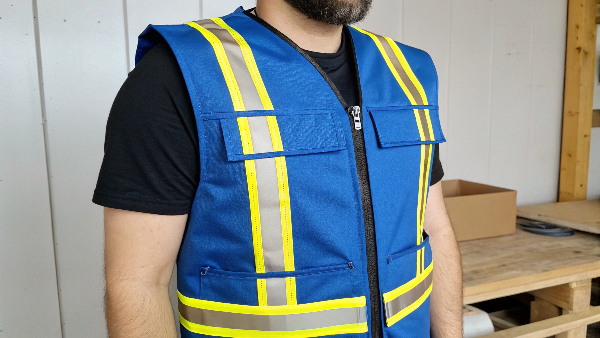
The science behind the approved ANSI colors is clear. The human eye is most sensitive to the fluorescent yellow-green15 part of the light spectrum. These specific fluorescent colors appear exceptionally bright in daylight and provide the best contrast against most urban and natural backgrounds, making workers stand out. Blue, black, green, and other colors do not have thi
-
Find out the importance of working with certified manufacturers to ensure quality and compliance in your workwear. ↩
-
Learn how color inconsistencies can lead to non-compliance and financial losses in workwear orders. ↩
-
Learn about OEKO-TEX certification and its significance in ensuring safe and chemical-free workwear. ↩ ↩
-
Explore how a triple-inspection process ensures quality and consistency in manufacturing workwear. ↩
-
Understand the role of an R&D Lab in developing high-quality, compliant workwear products. ↩
-
Learn why Class 3 apparel offers the highest visibility and when it’s necessary for worker safety. ↩
-
Understand the ANSI/ISEA 107 standard to ensure your high-visibility clothing meets safety requirements. ↩ ↩ ↩
-
Learn the critical situations in which high-visibility vests are necessary to prevent accidents in warehouses. ↩
-
Explore the EN ISO 20471 standard to ensure your workwear complies with European safety regulations. ↩
-
Discover how the amount of material in high-visibility clothing determines its class and suitability for different environments. ↩
-
Learn how industrial wash cycles impact the durability and effectiveness of high-visibility clothing. ↩
-
Understand the General Duty Clause and its implications for providing a safe workplace. ↩
-
Find out how to perform a risk assessment to identify hazards and implement safety measures in your warehouse. ↩
-
Understand the limitations of blue high-visibility vests and when they can be used legally. ↩
-
Discover why fluorescent yellow-green is a preferred color for high-visibility clothing and its visibility benefits. ↩