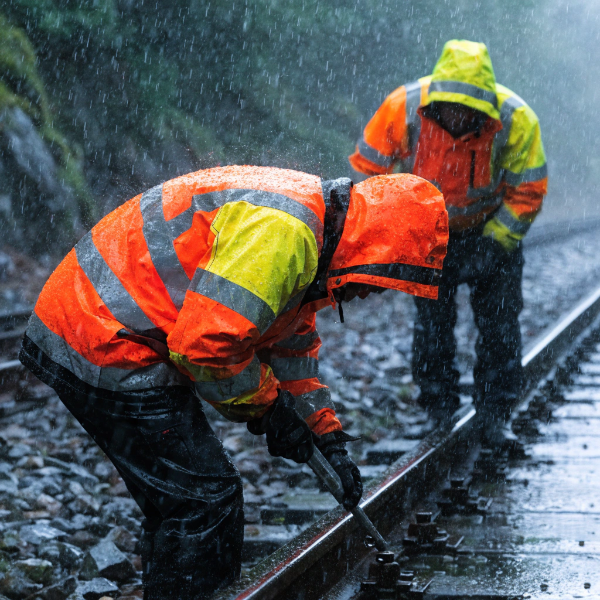
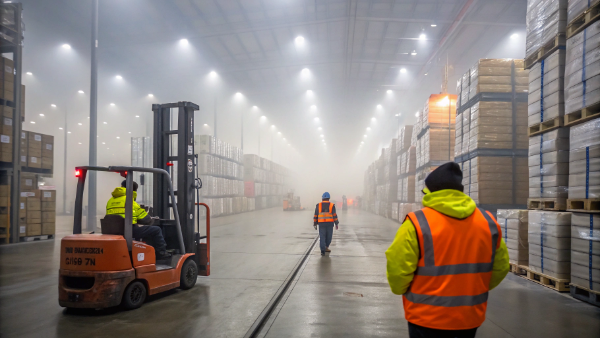
Are you confused about hi-vis rules? Do you worry about fines or worker safety? We make the legal requirements for safety apparel simple and clear for you.
Legal requirements depend on your industry and job site risks. They are mainly set by OSHA and the ANSI/ISEA 107 standard. This standard demands specific fluorescent colors and retroreflective materials to ensure workers are always seen, day and night, especially near moving vehicles or equipment.
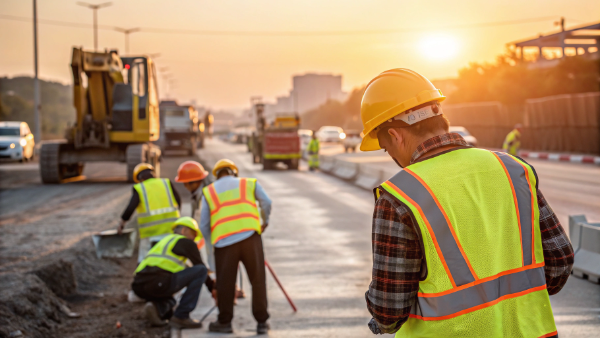
Understanding these rules is crucial for keeping your team safe and your business compliant. But these rules are not a single, simple document. They are a collection of standards that target different risks. Let’s break down the most important ones so you know exactly what you need.
What are the key standards for high-visibility clothing?
Do you find standards like OSHA, ANSI, and ISO confusing? This confusion can lead to buying the wrong gear. We’ll explain the key standards you need to know.
The most important standard in the US is ANSI/ISEA 1071. OSHA often uses this standard to enforce its rules. EN ISO 20471 is the international equivalent, used in Europe. These standards define the design, performance, and materials for effective hi-vis apparel.
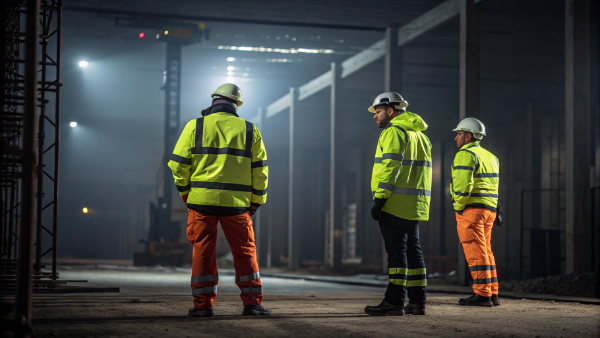
In my 12 years of helping clients like Danny Cheng in California, the most common source of confusion is the relationship between different standards. OSHA is the government body that enforces workplace safety. It says employers must protect workers from known hazards, like being struck by vehicles. However, OSHA doesn’t always specify how. That’s where ANSI/ISEA 107 comes in. It is a detailed, technical standard that provides the "how-to" for making effective high-visibility clothing. It sets the rules for colors, reflectivity, and design. For our clients in Europe or those with global operations, the EN ISO 20471 standard is the key. While similar to ANSI, it has slightly different requirements. As a manufacturer since 2007, we design products that meet both.
Key Standards Comparison
| Standard | Region | Key Focus | Enforced By |
|---|---|---|---|
| ANSI/ISEA 107 | United States | Specifies amounts of fluorescent material and retroreflective tape for different classes. | OSHA references this for compliance2. |
| EN ISO 20471 | Europe / International | Similar to ANSI, but has different tape placement and material requirements. | National safety bodies in each country. |
| OSHA Regulations | United States | Mandates employers protect workers from struck-by hazards3. It does not create the apparel standard itself. | OSHA inspectors. |
What are the different classes of high-visibility clothing?
Are all hi-vis vests the same? Choosing the wrong class of apparel puts workers at risk. We’ll explain the differences so you can make the right choice.
There are three main performance classes4 under the ANSI/ISEA 107 standard. Class 15 is for low-risk areas. Class 2 is for workers near traffic under 50 mph. Class 3 provides the highest visibility for workers in complex, high-speed traffic environments.
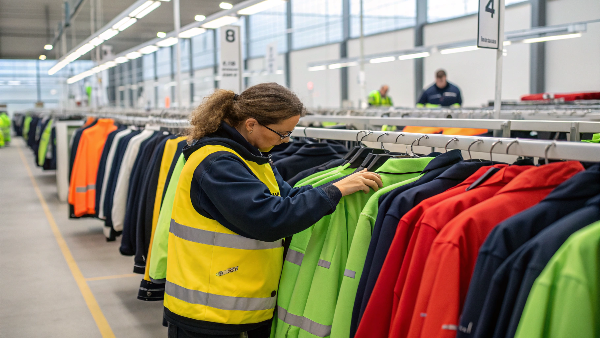
Choosing the right class is not about preference; it is about matching the garment to the level of risk. The class is determined by the minimum amount of fluorescent background material and retroreflective tape on the garment. A higher class means more visible material, which offers better protection in more hazardous conditions. For example, Class 3 garments must have sleeves and additional reflective tape on the arms and legs to outline the human form and provide 360-degree visibility. This makes a worker’s shape and movement instantly recognizable to a driver, even from a distance or in bad weather. We work closely with our partners to ensure they select the right class for their specific applications, from simple Class 26 vests for road crews to fully compliant Class 37 bomber jackets for highway flaggers.
ANSI/ISEA 107 Garment Classes and Examples
| Class | Minimum Background Material (sq. in.) | Minimum Retroreflective Material (sq. in.) | Worker Environment Example |
|---|---|---|---|
| Class 1 | 217 | 155 | Parking lot attendant, warehouse worker away from traffic. |
| Class 2 | 775 | 201 | Roadway construction worker, utility worker, survey crew. |
| Class 3 | 1240 | 310 | Highway maintenance worker, emergency responder, flagger. |
What must be done with hi-vis clothing to maintain safety?
Think a dirty hi-vis vest still works? Worn-out gear fails to protect your workers, increasing accident risks. Let’s cover how to maintain apparel for maximum safety.
To maintain safety, high-visibility clothing must be kept clean and inspected regularly. Dirt, grease, and fading reduce its effectiveness. Any torn or damaged apparel with compromised reflectivity should be replaced immediately to ensure compliance and protect the worker.

A garment’s safety performance is only as good as its condition. The fluorescent material needs to be bright, and the retroreflective tape needs to be clean and intact to work correctly. A dirty vest can easily blend into the background, defeating its purpose. I remember a client, a large logistics company, saw a spike in near-miss incidents in their distribution center. The problem was not the gear itself but that it was old and dirty. We helped them implement a simple care and inspection policy.
Best Practices for Maintenance
- Regular Cleaning: Always follow the care label instructions. Washing with harsh detergents or bleach can damage the reflective properties and fade the fluorescent color. Turn garments inside out and wash them with similar colors.
- Routine Inspection: Before each use, workers should quickly check for tears, dirt, and wear. Pay close attention to the reflective tape to ensure it is not cracked, peeling, or missing.
- Know When to Replace: Garments have a limited service life. They should be retired when they are faded, torn, soiled, or damaged. A good rule of thumb is to replace gear when it no longer looks new or bright when compared to a new garment.
Is it always a legal requirement to wear hi-vis clothing?
Do all your workers need hi-vis gear? Assuming everyone does can be costly and unnecessary. We’ll clarify when wearing hi-vis is a legal must-have for safety.
It’s a legal requirement when a risk assessment8 shows workers are exposed to struck-by hazards from vehicles or equipment. OSHA explicitly mandates it for highway/road zones. For other industries, it falls under the employer’s general duty to provide a safe workplace.
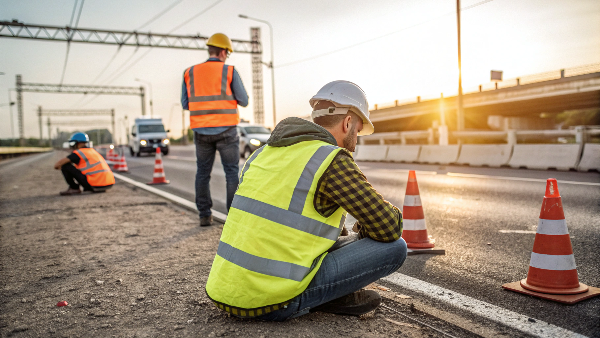
The key is the risk assessment. OSHA’s "General Duty Clause9" requires every employer to provide a workplace free from recognized hazards that can cause death or serious harm. Being struck by a vehicle or mobile equipment is a major recognized hazard. So, if your workers are exposed to this risk, you are legally required to provide protective measures, and hi-vis apparel is a primary solution. This applies to more than just road workers. Warehouse employees near forklifts, airport ground crews, and construction workers near excavators all face struck-by hazards. The decision to require hi-vis clothing is therefore based on the specific tasks and environment of your workers, not just the industry name. That’s why we guide our clients to analyze their job sites first.
When is Hi-Vis Required? (Examples)
| Job Function | Required by Law/Rule? | Primary Hazard |
|---|---|---|
| Highway Flagger | Yes (OSHA Mandate) | High-speed vehicle traffic |
| Warehouse Forklift Operator | Yes (General Duty Clause9) | Struck-by hazards from moving equipment |
| Event Parking Staff | Yes (General Duty Clause) | Slow-moving public vehicle traffic |
| Office Worker | No | No exposure to vehicle or equipment hazards |
Conclusion
In short, hi-vis legal rules depend on your specific job risks. Follow ANSI/ISEA 107 standards, choose the right class, and maintain gear to ensure compliance and worker safety10.
-
Learn about ANSI/ISEA 107 to understand the specifications for effective hi-vis apparel and compliance. ↩
-
Explore compliance strategies to meet safety regulations and protect workers effectively in various industries. ↩
-
Learn about struck-by hazards and the importance of protective measures like hi-vis clothing in preventing accidents. ↩
-
Understanding performance classes helps in selecting the right gear for specific job risks and environments. ↩
-
Learn about Class 1 apparel and its applications in low-risk environments to ensure appropriate safety measures. ↩
-
Explore the requirements for Class 2 apparel to ensure safety for workers near traffic and other hazards. ↩
-
Discover the features of Class 3 apparel that provide maximum visibility in high-risk environments. ↩
-
Understanding risk assessments is crucial for determining when hi-vis clothing is legally required for worker safety. ↩
-
Explore the General Duty Clause to understand employer responsibilities in providing a safe workplace. ↩ ↩
-
Explore strategies to enhance worker safety through proper use of high-visibility clothing in hazardous areas. ↩