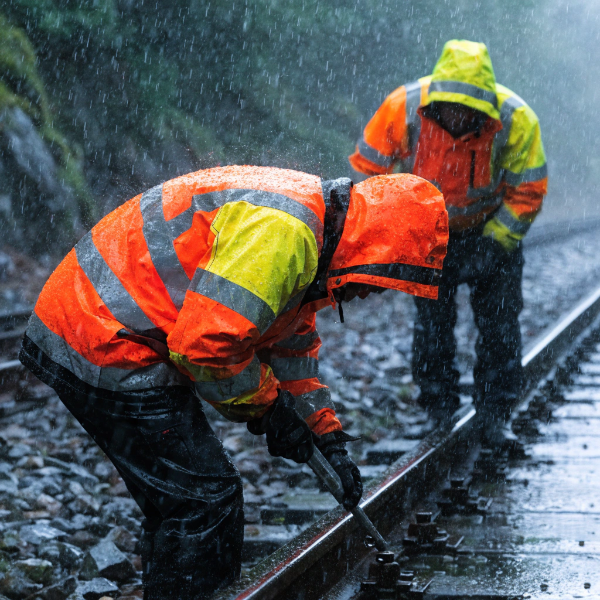
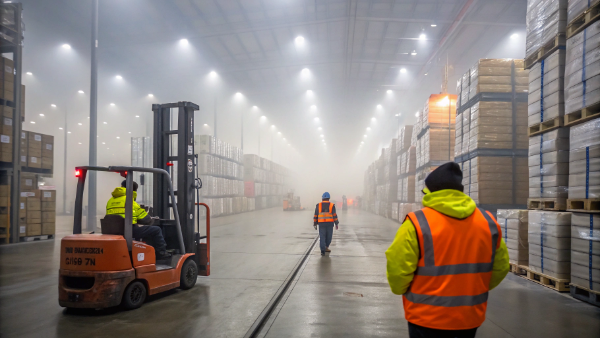
Struggling to select the right hi-vis fabric? The wrong choice can compromise worker safety and garment durability. I can help you understand the key differences for a safer decision.
High-visibility fabrics combine bright, fluorescent background materials with retroreflective tapes to make wearers easily seen. Key factors include the base material, its durability, its breathability, and full compliance with safety standards like ANSI/ISEA 107.
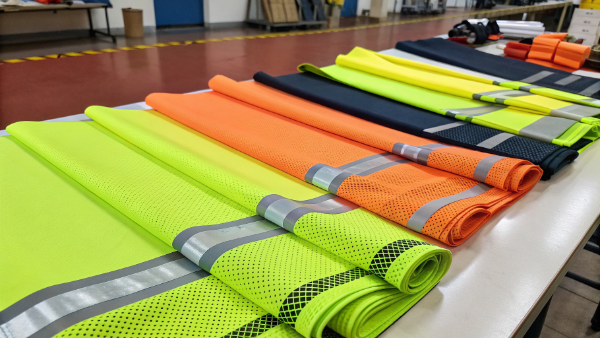
Choosing the right fabric is the first step in creating effective safety apparel. But there’s more to it than just picking a bright color. For over a decade, I’ve seen how details in materials, design, and standards make the difference between life and death. Let’s look closer at what makes these fabrics work and how to choose the best ones for your team. Understanding these elements is critical for protecting your workers and your business.
What are the requirements for high-visibility clothing?
Confused by complex safety standards1? Using non-compliant gear puts your team at risk and can lead to fines. I can help simplify the core requirements for you.
High-visibility clothing must meet specific standards like ANSI/ISEA 1072 in the US or EN ISO 20471 in Europe. These rules define the minimum area of background material and reflective tape.
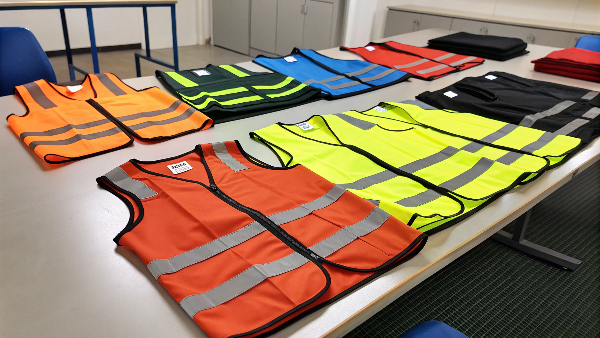
The main goal of these standards is to guarantee a worker is visible in any light condition. They are not just guidelines; they are strict rules that we manufacturers must follow. The standards break down apparel into different "Performance Classes" based on the amount of visible material used. A higher class offers greater visibility3 and is required for higher-risk environments. At Vissafety, our in-house laboratory is equipped with over 75 testing devices. We test every batch of fabric to make sure its color, brightness, and reflectivity meet or exceed these requirements. This guarantees that every piece of clothing we produce is fully compliant and ready to protect your workers.
Performance Classes4 Explained
The class needed depends entirely on the work environment. A low-risk environment might only need Class 1, while workers on a high-speed highway need Class 3.
| Performance Class | Minimum Background Material | Minimum Reflective Material | Typical Work Environment |
|---|---|---|---|
| Class 1 | 217 sq. inches | 155 sq. inches | Low-risk, off-road, parking lot attendants. |
| Class 2 | 775 sq. inches | 201 sq. inches | Roadway workers, construction, utility workers. |
| Class 3 | 1240 sq. inches | 310 sq. inches | High-risk, high-speed traffic, emergency responders. |
What is the most important reason for a high-visibility apparel policy?
Accidents in low visibility are a constant threat. Your workers are exposed to moving vehicles and equipment daily. A clear policy is your first and best line of defense.
The most important reason is to prevent accidents by making workers highly conspicuous to vehicle and equipment operators. This drastically reduces the risk of struck-by injuries, a leading cause of workplace fatalities.
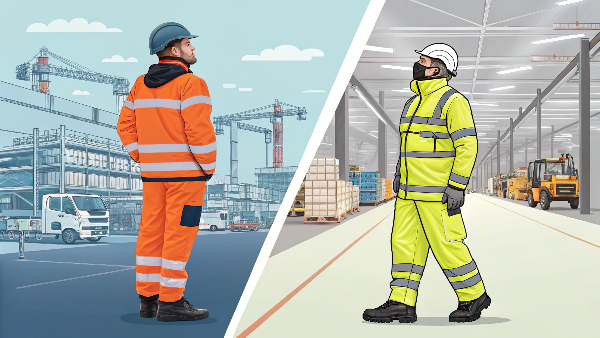
The core principle here is "conspicuity5," which just means the ability to be seen. A worker in a fluorescent vest with reflective stripes stands out against a complex background. This gives a driver or machine operator crucial extra seconds to react. I’ve worked with clients like Danny Cheng in North America for over 12 years, supplying gear for his construction and logistics customers. He always says a strong hi-vis policy is not just about compliance. It’s about building a culture where every worker feels seen and valued. When you visibly invest in their safety, they feel more secure. This improves focus, boosts morale, and ultimately reduces the human and financial cost of accidents. It’s a simple action with a powerful impact on your entire operation.
What must be done with high-visibility clothing to maintain safety?
Dirty or damaged hi-vis gear is a hidden danger. It loses its ability to reflect light, making it almost useless. Proper care is not an option; it is essential for safety.
You must keep high-visibility clothing clean and inspect6 it regularly for damage. Faded, torn, or soiled apparel loses its protective qualities and must be replaced immediately to ensure worker safety.
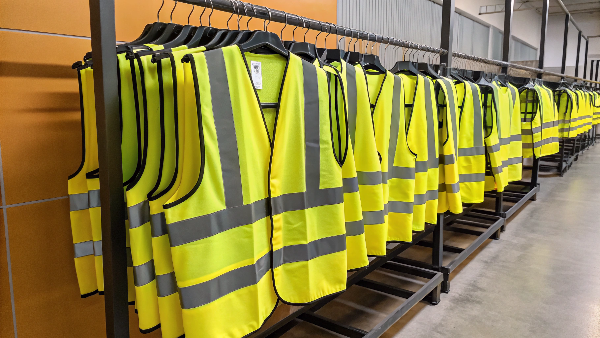
A garment’s effectiveness depends on its condition. Dirt, grease, and even dust can cover the fluorescent and reflective material7s, making them ineffective. The reflective tapes can also be damaged by improper washing, such as using bleach or drying on high heat. We always tell our clients that a garment’s useful life is measured in wash cycles, not years. That’s why we use durable materials designed to withstand industrial laundering8, but even the best fabrics have a limit. A regular inspection schedule is critical. Workers should check their gear at the start of every shift for any signs of wear and tear. It’s a simple habit that ensures the apparel can do its job.
Simple Care and Cleaning Guide
| Do’s | Don’ts |
|---|---|
| Wash in cold or warm water. | Do not use bleach or fabric softener. |
| Use a mild detergent. | Do not dry clean. |
| Wash with similar colors. | Do not wash with rough garments (like jeans with rivets). |
| Tumble dry on low heat or hang to dry. | Do not iron the reflective tape. |
| Store in a clean, dry place away from sunlight. | Do not store when wet or dirty. |
What are the three facets of high visibility apparel?
Do you think hi-vis is just about having a bright color? There is much more to it. Missing one key element can compromise safety in different light conditions.
The three facets are the fluorescent background material for daytime visibility, the retroreflective tape for nighttime visibility, and the combined-performance design that places these materials correctly on the body.
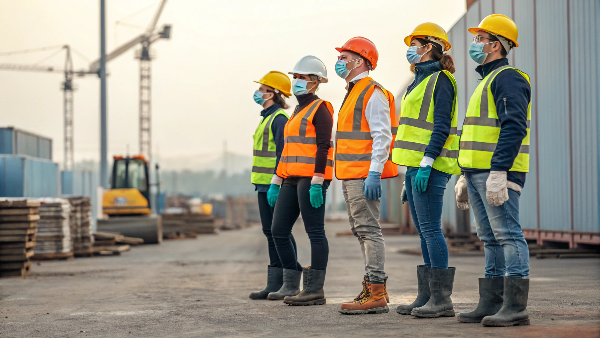
Each facet plays a specific role in keeping a worker safe around the clock. First, the fluorescent background fabric works best during the day, especially at dawn and dusk. It reacts with the sun’s UV rays to appear brighter than normal colors. Second, the retroreflective material is for night and low-light conditions. It uses tiny glass beads or microprisms to bounce light from a source, like headlights, directly back to the driver. This makes the wearer appear brightly lit. Third, the garment’s design brings it all together. Standards like ANSI/ISEA 107 require that reflective tapes outline the human form. This ensures a driver sees a person, not just a random object. A designer like Jacky would understand this principle: the design must be both functional and intentional to be effective.
The Three Facets Summarized
| Facet | Primary Function | Best Time of Day |
|---|---|---|
| Fluorescent Material | Absorbs UV light to appear extremely bright. | Daytime, Dawn, Dusk |
| Retroreflective Tape | Bounces light directly back to its source. | Nighttime, Low Light |
| Garment Design | Outlines the human form for quick recognition. | All Times |
What are the OSHA requirements9 for high-visibility clothing?
Are you worried about OSHA compliance? It can be confusing to know exactly which rules apply to your worksite. Getting it wrong can lead to citations and put workers in danger.
OSHA requires high-visibility clothing for workers exposed to vehicle traffic under standard 29 CFR 1926.651(d). It states that garments must comply with ANSI/ISEA 107, making the ANSI standard the effective OSHA requirement.
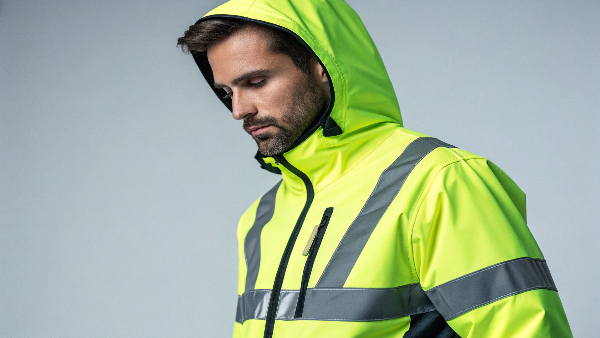
Many of our clients ask me about OSHA’s specific rules. The answer is simple: OSHA points directly to the ANSI/ISEA 107 standard. They don’t have their own separate, detailed specification for high-visibility clothing. Instead, they rely on this industry-developed consensus standard to define what is safe. This applies to workers in many roles, including road construction crews, flaggers, and anyone working near public or construction vehicle traffic. It is the employer’s responsibility to perform a hazard assessment10 of their worksite. This assessment will determine the level of risk and, therefore, the correct ANSI Performance Class (1, 2, or 3) that their employees must wear. As a manufacturer, our job is to make this easy. We certify our products to the latest ANSI standard, so our clients know they are providing fully compliant gear.
What are the 5 key benefits of using high-visibility PPE11?
Do you see Personal Protective Equipment (PPE) as just another cost? It is easy to overlook its true value. But investing in the right PPE is one of the smartest decisions you can make.
The main benefits are: 1) preventing injuries and saving lives, 2) ensuring legal compliance, 3) reducing financial liability, 4) increasing worker confidence, and 5) promoting a stronger overall safety culture12.
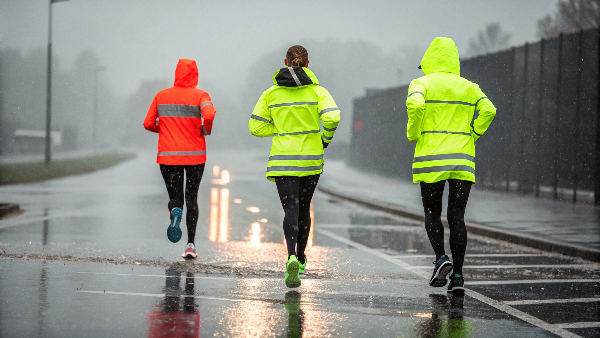
These benefits impact every part of your business. For a business owner like Danny, these points are not just ideas; they connect directly to his success. First and foremost, the gear saves lives. More visibility equals fewer accidents. Second, it keeps you compliant with regulations, helping you avoid costly fines. Third, it reduces your financial risks. Proper PPE shows you are taking proactive steps to protect your team, which can lower insurance costs. Fourth, workers who feel safe are more confident and productive. Finally, a commitment to hi-vis PPE shows everyone, from your employees to your clients, that safety is your top priority. It turns safety from a rulebook into a shared value.
Key Benefits of High-Visibility PPE
| Benefit | Explanation |
|---|---|
| 1. Injury Prevention | Makes workers visible to prevent struck-by accidents. |
| 2. Regulatory Compliance | Meets requirements from bodies like OSHA, avoiding fines. |
| 3. Reduced Liability | Lowers insurance premiums and protects against legal action. |
| 4. Worker Confidence | A safe worker is a more focused, productive, and loyal worker. |
| 5. Strong Safety Culture | Demonstrates a top-down commitment to employee well-being. |
Conclusion
Choosing the right hi-vis fabric is vital for safety. It requires compliant materials, smart design, and proper maintenance. Partner with an expert manufacturer to ensure your team’s complete protection.
-
Explore the essential safety standards that govern high-visibility clothing. ↩
-
Understand the significance of ANSI/ISEA 107 standards for high-visibility clothing compliance. ↩
-
Learn why visibility is a critical factor in protecting workers from accidents. ↩
-
Get insights into Performance Classes and their importance for various work environments. ↩
-
Learn about the concept of conspicuity and its role in preventing workplace accidents. ↩
-
Learn the best practices for maintaining high-visibility clothing to ensure safety. ↩
-
Discover how reflective materials enhance visibility at night and in low-light conditions. ↩
-
Learn about industrial laundering and its impact on the longevity of hi-vis apparel. ↩
-
Find out the OSHA requirements to ensure compliance and worker safety. ↩
-
Understand the importance of hazard assessments in determining safety gear requirements. ↩
-
Discover the advantages of high-visibility PPE for workplace safety and compliance. ↩
-
Explore strategies to foster a safety culture that prioritizes worker well-being. ↩